Table of Contents
Switzerland Travel Advisory 2026
Why Checking a Switzerland Travel Advisory Matters Before Your Trip
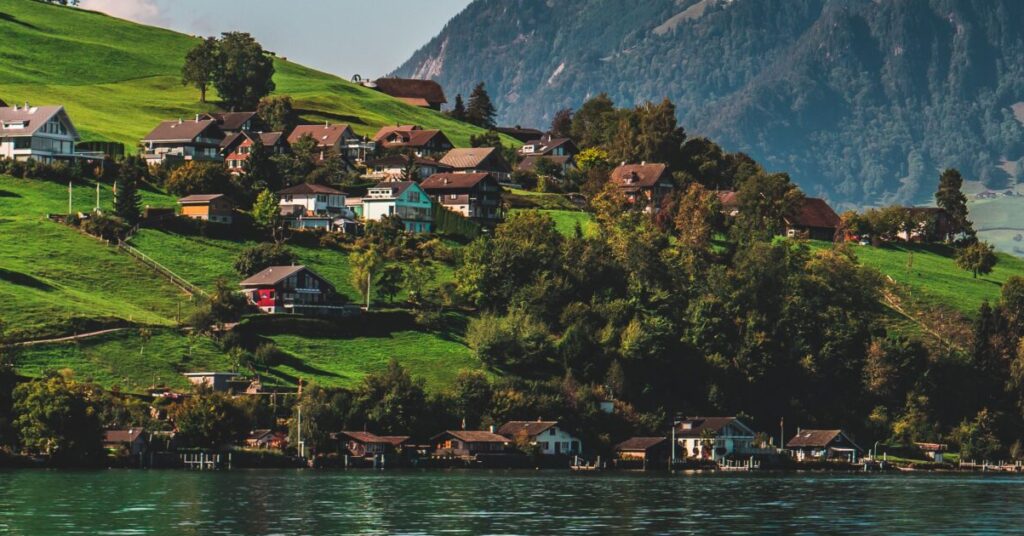
Switzerland is the kind of destination that can make a trip feel almost unreal. You can wake up beside a peaceful Alpine lake, take a train through dramatic mountain scenery, explore a historic city in the afternoon, and finish the day in a quiet village surrounded by snow-covered peaks.
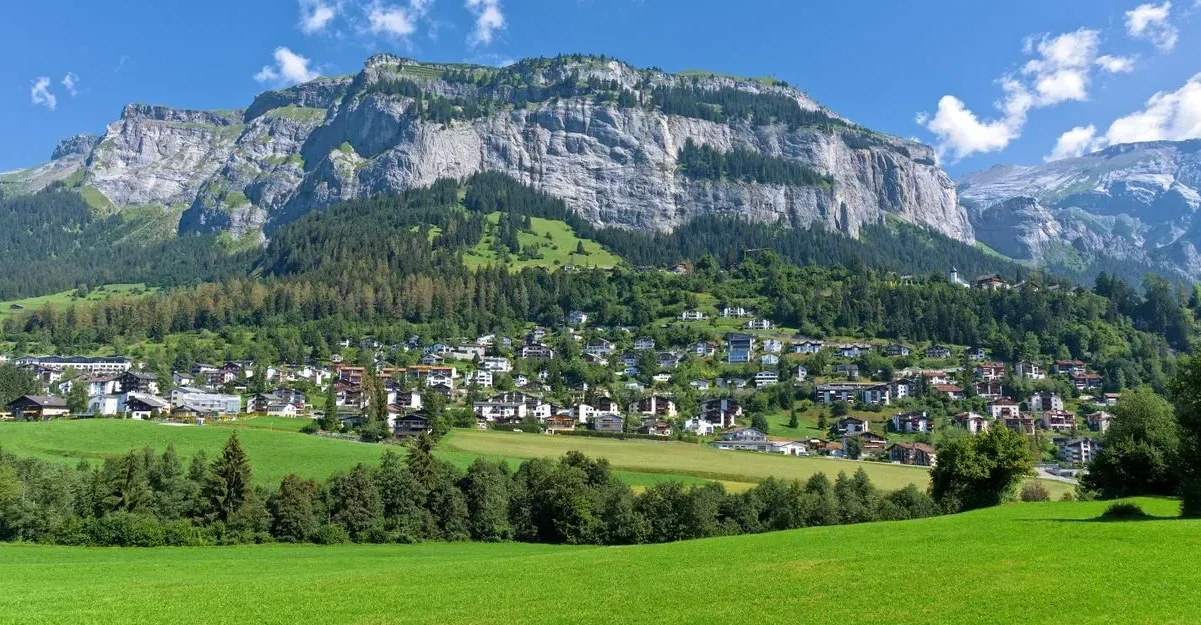
From Zurich and Geneva to Lucerne, Interlaken, Zermatt, and the Swiss Alps, the country offers an impressive mix of nature, culture, outdoor activities, and efficient transportation. Switzerland is also generally considered a safe destination for international visitors.
However, being a safe country does not mean you should travel without preparation. Before you leave, it is worth checking the latest Switzerland travel advisory, entry requirements, weather conditions, and official travel information for your nationality.
A travel advisory can help you understand potential risks and prepare for situations that may affect your plans. This is especially important if you intend to hike in the mountains, travel during winter, rent a car, or visit several European countries during the same trip.
In this guide, you will find practical information about Switzerland travel safety, passport requirements, visas, ETIAS, transportation, mountain conditions, emergency services, travel insurance, and other important considerations for your 2026 trip.
What Is a Switzerland Travel Advisory?
A Switzerland travel advisory is official guidance designed to help travelers understand the conditions they may encounter when visiting the country.
Different governments publish their own travel advice, so the exact wording and recommendations can vary depending on your nationality. These notices can cover safety, security, entry requirements, health information, local laws, natural hazards, and emergency procedures.
For example, the U.S. Department of State currently lists Switzerland at Level 1: Exercise Normal Precautions. Its advisory describes Switzerland as generally safe while specifically warning travelers that mountain areas can present dangers such as avalanches, landslides, and sudden weather changes.
What Should You Check Before Traveling?
Before your departure, review:
- The latest Switzerland travel advisory
- Passport validity requirements
- Visa requirements for your nationality
- ETIAS information, if applicable
- Travel insurance coverage
- Weather forecasts
- Mountain and hiking conditions
- Local emergency numbers
- Transportation updates
- Your government’s embassy or consular information
Checking these details shortly before departure is better than relying on information you found months earlier.
Current Switzerland Travel Advisory Status
Is Switzerland Safe for Tourists in 2026?
Yes. Switzerland is generally considered a safe destination for tourists.
The current U.S. travel advisory places Switzerland at Level 1: Exercise Normal Precautions. The advisory was issued on August 14, 2026, and notes that Switzerland is generally a safe destination for travelers.
This does not mean that every situation is risk-free. As with any popular destination, you should remain aware of your surroundings and take sensible precautions.
Why Switzerland Is Considered a Safe Destination
Several factors make Switzerland comfortable for international visitors:
- Strong public infrastructure
- Reliable transportation
- Well-developed tourist facilities
- Effective emergency services
- High-quality healthcare
- Stable political environment
- Generally low levels of serious crime
Common Concerns for Tourists
The risks you are more likely to encounter are usually practical rather than serious security threats.
Pay particular attention to your belongings in:
- Busy railway stations
- Airports
- Crowded public transportation
- Tourist attractions
- Shopping areas
- Major city centers
Keep your wallet, phone, passport, and other important belongings secure, particularly when moving through crowded areas.
Switzerland Entry Requirements for International Travelers
Understanding Switzerland’s entry requirements should be one of the first things you check when planning your trip.
Requirements depend on your nationality, the purpose of your visit, and how long you intend to stay.
The Swiss State Secretariat for Migration provides an official database where travelers can check visa and entry requirements according to nationality.
Passport Requirements
If you are a third-country national traveling to Switzerland for a short stay, your passport or recognized travel document generally needs to meet specific conditions.
For travelers subject to the relevant Schengen short-stay rules, the travel document must generally:
- Have been issued within the last 10 years
- Remain valid for at least three months after your intended departure from the Schengen Area
- Meet the other applicable entry requirements
The Swiss authorities confirm these requirements in their official visa guidance.
Before traveling, check your passport’s expiration date carefully. It is better to discover a passport problem at home than at the airport.
Visa Requirements
Switzerland is part of the Schengen Area, so short-stay visitors who require a visa generally apply under the Schengen visa system.
For stays of up to 90 days, a Schengen visa may be required depending on your nationality. For longer stays, Switzerland generally uses a national Type D visa framework.
Switzerland Visa Requirements Overview
| Traveler Category | Visa Requirement | Typical Short-Stay Rule |
|---|---|---|
| EU/Schengen nationals | Generally no visa | Subject to applicable residence rules |
| Visa-exempt third-country nationals | No short-stay visa | Up to 90 days in a 180-day period |
| Visa-required travelers | Schengen visa required | Generally up to 90 days |
| Long-stay travelers | National requirements apply | Depends on purpose and permit |
Do not rely on a generic table if your nationality has specific requirements. The Swiss government advises travelers to check the rules that apply to their individual nationality.
Staying Longer Than 90 Days
If you plan to remain in Switzerland for more than 90 days, the rules are different from those for a normal holiday.
Depending on your circumstances, you may need a national Type D visa, residence authorization, or another appropriate permit. Switzerland’s official immigration guidance distinguishes short stays from long-term stays.
ETIAS and Switzerland Travel Requirements
Does ETIAS Apply to Switzerland?
ETIAS is the European Travel Information and Authorisation System for visa-exempt travelers from certain countries visiting participating European countries for short stays.
There is an important update for anyone researching a Switzerland travel advisory in 2026: ETIAS is not currently accepting applications.
The Swiss State Secretariat for Migration states that the EU determines the implementation timetable and that travelers do not currently need to take action. The EU is expected to announce the exact implementation date in advance.
What Will ETIAS Do?
Once ETIAS becomes operational, eligible visa-exempt travelers will need to obtain travel authorization before traveling to the Schengen Area.
The Swiss authorities currently state that:
- ETIAS will apply to eligible visa-exempt travelers
- The authorization will be linked to the traveler’s passport
- It will generally be valid for up to three years or until the passport expires
- Travelers must still satisfy border-entry conditions
- A valid ETIAS does not automatically guarantee admission
The current Swiss information also lists a planned fee of €20, although travelers should verify the latest official information before applying.
Be Careful With Fake ETIAS Websites
Because ETIAS has generated significant interest among travelers, unofficial websites may attempt to appear like government services.
The Swiss authorities specifically warn travelers about fraudulent ETIAS websites and recommend using the official EU website for reliable information.
Health and Medical Advice for Switzerland Travel
Switzerland has a highly developed healthcare system, but medical care can be expensive for visitors.
That makes preparation important even if you are only staying for a few days.
Healthcare in Switzerland
Travelers can access modern hospitals, clinics, pharmacies, and emergency services throughout the country.
In larger cities and popular tourist areas, healthcare facilities are generally easy to access. Remote mountain regions may require additional travel to reach medical services.
Why Travel Insurance Matters
Travel insurance can help protect you against unexpected costs associated with:
- Medical treatment
- Emergency transportation
- Trip cancellation
- Travel delays
- Lost or stolen baggage
- Certain outdoor activities
Before buying a policy, check exactly what it covers. If you plan to ski, hike, or participate in other outdoor activities, make sure those activities are included when appropriate.
Health Preparation Checklist
Before leaving home, consider preparing:
| Item | Why It Matters |
|---|---|
| Travel insurance | Helps with unexpected expenses |
| Prescription medication | Ensures you have necessary medication |
| Medical documents | Useful during medical treatment |
| Emergency contacts | Provides quick access to assistance |
| Vaccination review | Helps you follow current health guidance |
| Copies of important documents | Useful if originals are lost |
For health recommendations that may change, consult an official health authority shortly before departure.
Safety Tips for Tourists in Switzerland
Even when the current Switzerland travel advisory indicates a low level of risk, common-sense precautions remain useful.
Protect Your Belongings
You do not need to be constantly worried about theft, but you should avoid making yourself an easy target.
Follow simple habits such as:
- Keep your phone and wallet secure
- Avoid leaving bags unattended
- Use hotel safes when available
- Keep your passport in a secure place
- Be careful when using ATMs
- Carry only what you need during day trips
Stay Alert in Crowded Areas
Busy locations can create opportunities for petty theft.
Pay extra attention at:
- Train stations
- Airports
- Popular landmarks
- Festivals
- Shopping streets
- Public transport
If someone creates an unusual distraction around you, check your belongings afterward.
Transportation Safety in Switzerland
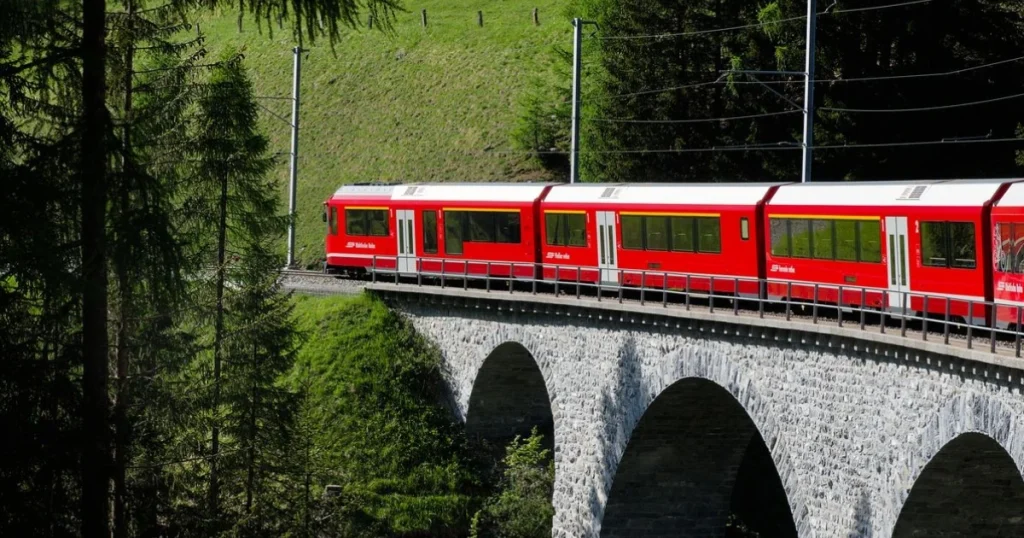
One of Switzerland’s biggest advantages for tourists is its extensive transportation network.
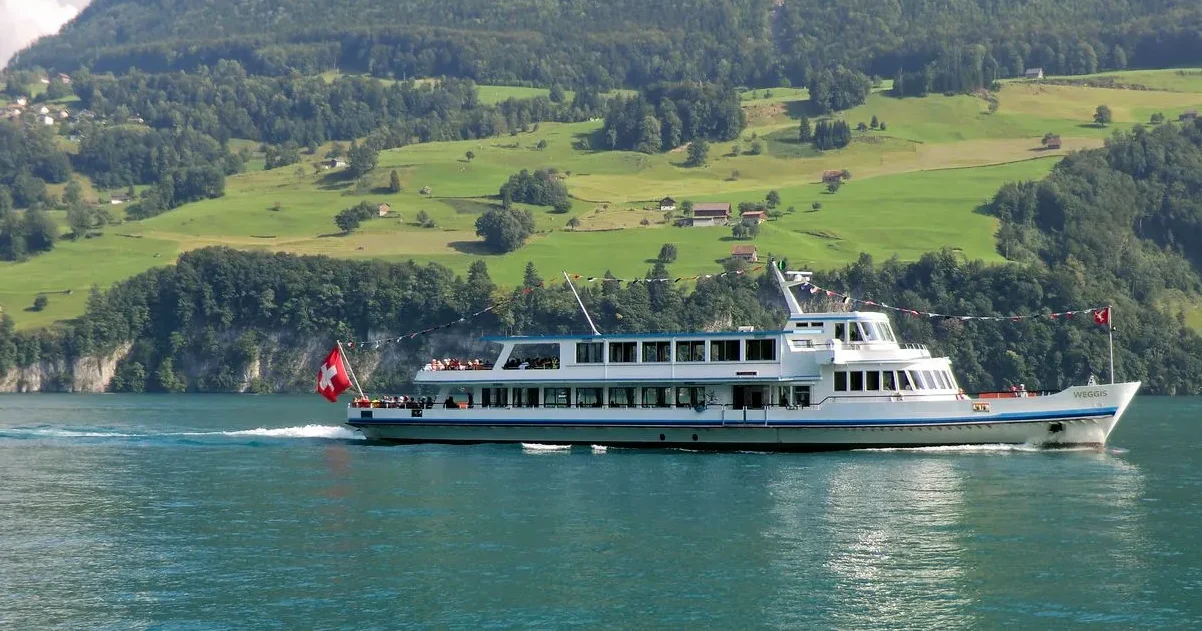
Trains, buses, boats, and mountain railways make it possible to travel between cities and Alpine destinations without needing a car.
Train Travel Tips
Swiss trains are convenient, but you should still follow normal travel precautions.
Before Boarding
- Buy tickets through official channels
- Check your platform and departure time
- Keep your ticket accessible
- Give yourself enough time at larger stations
While Traveling
- Keep valuable belongings close
- Avoid leaving electronics unattended
- Watch your luggage during connections
- Follow railway instructions
Driving in Switzerland
Renting a car can be useful if you want to explore smaller villages or remote areas.
However, mountain roads can be very different from city streets.
Before driving:
- Check weather conditions.
- Understand local road signs.
- Follow posted speed limits.
- Check parking rules.
- Prepare for mountain roads.
- Follow seasonal equipment requirements.
Winter conditions can change quickly, so do not assume that a route will remain easy throughout the day.
Natural Hazards and Mountain Safety
For many visitors, Switzerland’s greatest travel risks are connected to nature rather than crime.
The Alps are beautiful, but mountain environments require respect and preparation.
The current U.S. Switzerland travel advisory specifically highlights avalanches, landslides, and sudden weather changes as potential dangers in mountainous areas.
Mountain Weather Can Change Quickly
A sunny morning does not guarantee good conditions several hours later.
You may encounter:
- Heavy snowfall
- Fog
- Ice
- Strong winds
- Sudden temperature changes
- Thunderstorms
- Poor visibility
If you are hiking, check the forecast before leaving and pay attention to local warnings.
Winter Travel Safety
Winter brings excellent opportunities for skiing and snowy scenery, but it also creates additional risks.
Before heading into mountainous areas:
- Check local weather reports
- Review avalanche information
- Follow marked routes
- Wear suitable clothing
- Carry enough water
- Tell someone about your plans
- Avoid routes beyond your experience level
Never assume that a popular trail is automatically safe under every weather condition.
Summer Hiking Safety
Summer is one of the best seasons for exploring Switzerland’s mountains.
However, hiking at altitude can be demanding.
Before a Hike
Check:
- Trail conditions
- Weather forecasts
- Elevation changes
- Estimated walking time
- Transport schedules
- Your own experience level
Carry appropriate footwear, water, food, sun protection, and a charged phone.
Best Time to Visit Switzerland
best time to visit Switzerland
Spring
Spring can be a beautiful time to explore cities and lower-altitude areas.
You may enjoy:
- Milder temperatures
- Fewer visitors than peak summer
- Green landscapes
- Spring flowers
Mountain conditions can still be unpredictable, particularly at higher elevations.
Summer
Summer is popular for:
- Hiking
- Lake activities
- Scenic train journeys
- Outdoor sightseeing
- Mountain excursions
Because summer attracts many visitors, popular destinations can become busy. Booking accommodation and major activities in advance can help.
Autumn
Autumn brings colorful landscapes and cooler weather.
It can be a good choice if you prefer:
- Scenic photography
- Quieter travel
- Comfortable walking temperatures
- Autumn mountain scenery
Winter
Winter is ideal if your priority is snow and Alpine experiences.
Popular activities include:
- Skiing
- Snowboarding
- Winter walks
- Christmas markets
- Mountain rail journeys
Always check weather and transportation conditions when planning winter travel.
Common Tourist Scams and How to Avoid Them
Switzerland is generally safe, but travelers should still be cautious about scams and dishonest activity.
Pickpocketing
Pickpocketing is more likely in crowded environments than quiet residential areas.
Keep your valuables secure and avoid placing wallets or phones in easily accessible pockets.
Fake Petitions and Donations
You may occasionally encounter people asking for signatures or donations.
If you are unsure, politely decline and continue walking.
Ticket Scams
When buying train, attraction, or event tickets, use official providers whenever possible.
Avoid purchasing expensive tickets from unknown sellers unless you can verify that the seller is legitimate.
How to Protect Yourself
- Check official websites
- Avoid suspicious payment requests
- Keep receipts
- Verify accommodation details
- Do not share unnecessary personal information
Emergency Contacts and Important Numbers in Switzerland
Knowing how to request help is an important part of travel preparation.
Swiss Emergency Numbers
| Service | Number |
|---|---|
| Police | 117 |
| Fire Department | 118 |
| Ambulance | 144 |
Save these numbers before your trip.
If you have a serious emergency, provide your location as clearly as possible and follow the operator’s instructions.
Lost Passport or Travel Documents
If your passport disappears:
- Report the loss to the appropriate local authorities when required.
- Contact your embassy or consulate.
- Follow instructions for obtaining replacement documentation.
- Keep copies of your identification and travel documents.
Having secure digital copies can make the process easier.
Money, Payments, and Budget Tips for Switzerland
Switzerland is not generally considered a budget destination, so planning your spending can make a significant difference.
Swiss Currency
Switzerland uses the Swiss franc, abbreviated as CHF.
Credit and debit cards are widely useful, especially in cities and tourist areas. However, carrying some local currency can still be convenient for smaller purchases or situations where card payment is unavailable.
How to Manage Your Travel Budget
Before your trip, estimate spending for:
- Accommodation
- Transportation
- Food
- Attractions
- Mountain excursions
- Shopping
- Travel insurance
- Emergency expenses
Ways to Control Costs
You can reduce unnecessary spending by:
- Comparing accommodation options
- Using public transportation
- Booking popular activities early
- Choosing restaurants outside major tourist areas
- Planning free outdoor activities
- Checking whether travel passes offer value for your itinerary
Do not choose an option simply because it is the cheapest. Check cancellation policies, location, and what is included.
Swiss Laws and Cultural Etiquette
Understanding local customs can make your trip more comfortable.
Respect Local Rules
Switzerland has clear regulations concerning public behavior, transportation, environmental protection, and local communities.
When visiting residential areas or mountain villages:
- Keep noise under control
- Follow posted signs
- Do not litter
- Respect private property
- Follow trail instructions
- Use designated areas for activities
Mountain and Environmental Responsibility
Switzerland’s natural landscapes are one of its greatest attractions.
You can help protect them by:
- Taking your waste with you
- Staying on marked trails
- Avoiding damage to plants
- Respecting wildlife
- Following local restrictions
Responsible tourism protects the places you came to see.
Best Practices for a Safe Switzerland Vacation
Before You Travel
Use this checklist before departure:
- Check the latest Switzerland travel advisory
- Verify your passport validity
- Confirm visa requirements
- Check whether ETIAS applies to your nationality once implemented
- Purchase suitable travel insurance
- Save emergency numbers
- Confirm accommodation
- Check transportation schedules
- Review weather forecasts
- Make digital copies of important documents
During Your Trip
A few simple habits can make your trip easier:
- Monitor official updates
- Check weather before mountain activities
- Keep important belongings secure
- Follow local instructions
- Stay aware in crowded places
- Allow extra time for transportation connections
- Respect local communities
Switzerland Travel Advisory for Different Types of Travelers
Family Travelers
Switzerland can be a comfortable destination for families because of its organized transportation, attractions, and infrastructure.
When traveling with children, plan realistic daily schedules rather than trying to visit too many places in one day.
Mountain excursions also require additional preparation. Check trail conditions and transportation before setting out.
Solo Travelers
Switzerland can be a convenient choice for solo travelers.
You can move between cities efficiently using public transportation and build an itinerary around your own interests.
As always, keep someone informed about your plans when heading into remote mountain areas.
Senior Travelers
Senior travelers can enjoy Switzerland’s cities, lakes, railways, and mountain resorts, but the terrain should be considered when planning activities.
Before booking a hiking route or mountain excursion, check:
- Walking distance
- Elevation
- Terrain
- Available transport
- Weather conditions
A scenic train or cable car experience can sometimes provide spectacular mountain views without requiring a demanding hike.
Frequently Asked Questions About Switzerland Travel Advisory
Is Switzerland Safe for Tourists in 2026?
Yes. Current U.S. government guidance places Switzerland at Level 1: Exercise Normal Precautions and describes the country as generally safe for travelers.
What Is the Current Switzerland Travel Advisory Level?
The current U.S. Department of State advisory lists Switzerland at Level 1, meaning travelers should exercise normal precautions. The advisory also highlights potential mountain hazards such as avalanches, landslides, and sudden weather changes.
Do You Need Travel Insurance for Switzerland?
Travel insurance is strongly worth considering because medical treatment, emergency transportation, cancellations, and other unexpected expenses can become costly.
Check your policy carefully before departure, especially if you plan to participate in outdoor activities.
Do You Need a Visa to Travel to Switzerland?
It depends on your nationality and the length and purpose of your stay. Switzerland’s official immigration authority provides entry requirements by nationality.
For short stays, some travelers need a Schengen visa while others can enter without one.
Is ETIAS Required for Switzerland in 2026?
As of the latest Swiss government information, ETIAS applications are not currently being collected. The EU will announce the exact implementation date before the system becomes operational.
How Long Can Visa-Exempt Travelers Stay?
Eligible visa-exempt travelers generally follow the Schengen short-stay rule of up to 90 days within a 180-day period. Specific nationality and entry conditions can apply, so verify your situation through official sources.
What Are the Main Risks for Travelers in Switzerland?
For most visitors, serious security risks are relatively limited. However, you should be aware of:
- Petty theft in crowded places
- Sudden mountain weather
- Avalanches in relevant areas
- Landslides
- Winter road conditions
- Lost travel documents
Is Public Transportation Safe in Switzerland?
Switzerland has an extensive and well-developed transportation system. Trains, buses, boats, and mountain railways are widely used by both residents and tourists.
You should still keep your belongings secure and follow ticketing and safety instructions.
What Should You Do If You Need Emergency Assistance?
For urgent situations, contact the appropriate Swiss emergency service. The main numbers include 117 for police, 118 for fire services, and 144 for an ambulance.
Keep your location information available, especially when traveling in rural or mountainous areas.
Conclusion: Travel Smart and Enjoy Switzerland With Confidence
Switzerland offers an impressive combination of natural beauty, efficient infrastructure, historic cities, and Alpine adventures. Whether you are planning a weekend in Zurich, a scenic journey through the mountains, a family vacation around Lake Geneva, or a longer trip through several Swiss regions, preparation can make your experience much easier.
The most important step is to check the latest Switzerland travel advisory before you leave. Travel information can change, particularly when it comes to entry rules, weather conditions, transportation, and European travel systems such as ETIAS.
You should also verify the entry requirements that apply specifically to your nationality, make sure your passport meets the relevant validity rules, and consider appropriate travel insurance.
If your plans include hiking or visiting the Alps, pay special attention to weather and mountain conditions. Switzerland’s scenery is spectacular, but mountain environments can become challenging very quickly.
Most importantly, do not let safety planning take away from the excitement of your trip. Good preparation gives you more freedom to enjoy Switzerland with confidence.
Before booking your journey, check the latest official travel advice, organize your essential documents, and build an itinerary that matches your interests and experience level. Then you can focus on what makes Switzerland special: beautiful landscapes, unforgettable train journeys, charming towns, and experiences you will remember long after you return hom
e.
Official Sources for Switzerland Travel Information
For the most current information before publishing or traveling, consult:
- Swiss State Secretariat for Migration for entry and visa requirements
- U.S. Department of State for its Switzerland travel advisory
- UK Foreign, Commonwealth & Development Office for UK travel advice
- Official EU information for ETIAS updates
Always verify time-sensitive travel information directly with the relevant government authority before your departure.