Table of Contents
Best Places to See the Northern Lights
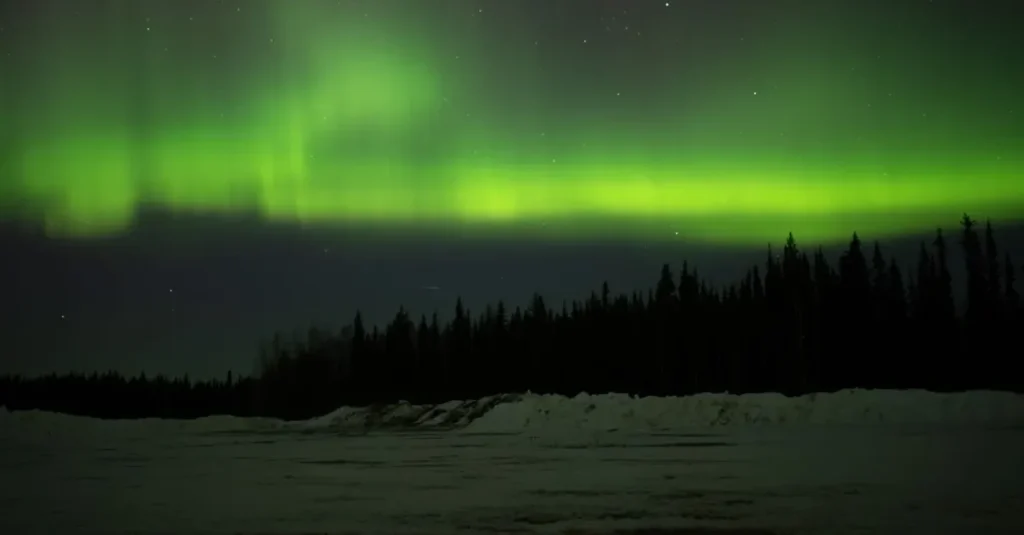
Imagine stepping outside on a cold, quiet night and looking up to see the sky slowly changing color. A faint glow appears on the horizon, then stretches across the darkness. Moments later, waves of green, pink, or violet seem to move above you.
That is the magic of the northern lights.
If watching the aurora borealis is somewhere on your travel bucket list, choosing where and when to go can make a huge difference. The lights are a natural phenomenon, so you cannot book them for a specific time. However, you can improve your chances by choosing a destination with dark skies, a suitable location, and enough nights to wait for favorable conditions.
In this guide, you will discover some of the best places to see the northern lights, how the aurora works, when to travel, what to pack, and how to make your trip more successful.
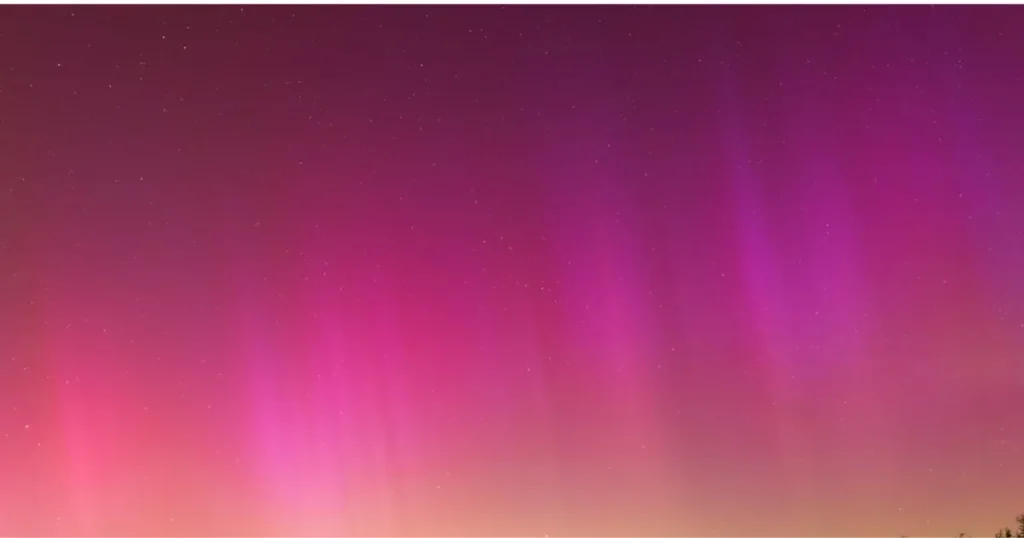
The northern lights, also called the aurora borealis, are colorful displays that occur when particles associated with solar activity interact with Earth’s magnetic environment and upper atmosphere.
The process takes place high above the ground. According to NASA, charged particles from the Sun interact with Earth’s magnetic field and atmospheric gases, producing the glowing colors you see in the night sky.
You may see:
- Green curtains or arcs
- Pink and purple tones
- Red shades during stronger events
- Moving bands of light
- Faint glows near the horizon
- Bright displays stretching across much of the sky
The exact appearance changes from one night to another. That unpredictability is part of what makes an aurora trip so memorable.
Why Do the Northern Lights Appear Near the Poles?
Auroral activity is concentrated around the Earth’s magnetic polar regions. NOAA explains that the aurora is commonly observed within an oval-shaped region roughly between 60 and 75 degrees north and south magnetic latitude.
For you as a traveler, this means that heading toward northern Scandinavia, Alaska, Canada, or other high-latitude regions can significantly improve your chances.
What Conditions Do You Need to See the Aurora?
Finding the best destination is only part of the equation.
You also need several conditions to line up:
- Darkness – daylight makes the aurora difficult or impossible to see.
- Clear skies – clouds can hide an active aurora.
- Geomagnetic activity – stronger activity can produce brighter and more widespread displays.
- A suitable viewing location – dark areas away from artificial lights are usually better.
- Patience – auroral activity can change quickly.
NOAA identifies geomagnetic activity, location, darkness, and timing as important factors for aurora viewing.
NASA also recommends finding a safe, dark location and checking the local weather before heading out.
Best Places to See the Northern Lights
There is no single destination that guarantees a spectacular aurora. Instead, you should choose a location that matches your travel style and gives you several opportunities to see the sky.
Here are some of the destinations worth considering.
1. Tromsø, Norway
Tromsø is one of the most popular starting points for travelers who want to experience the aurora in northern Europe.
Its location well above the Arctic Circle puts you in a favorable region for aurora viewing, while the city itself gives you access to accommodation, restaurants, transportation, and organized excursions.
Why Choose Tromsø?
You can build an entire Arctic vacation around your aurora trip.
During the day, you could explore:
- Arctic landscapes
- Fjords
- Museums
- Local cultural attractions
- Winter activities
- Scenic viewpoints
Then, after sunset, you can head outside the city to look for the lights.
Tromsø works particularly well if you want a combination of city comfort and Arctic scenery rather than staying in a completely remote location.
2. Abisko, Sweden
If your priority is nature and dark skies, Abisko in Swedish Lapland should be on your list.
The area is surrounded by mountains and wilderness, giving you a very different atmosphere from a larger Arctic city.
Why Visit Abisko for the Northern Lights?
Your trip can focus on:
- Aurora viewing
- Mountain scenery
- Winter photography
- Snow activities
- Quiet outdoor experiences
Abisko can be particularly appealing if you want the landscape around you to be part of the experience rather than simply searching for the aurora from an urban area.
3. Rovaniemi and Finnish Lapland
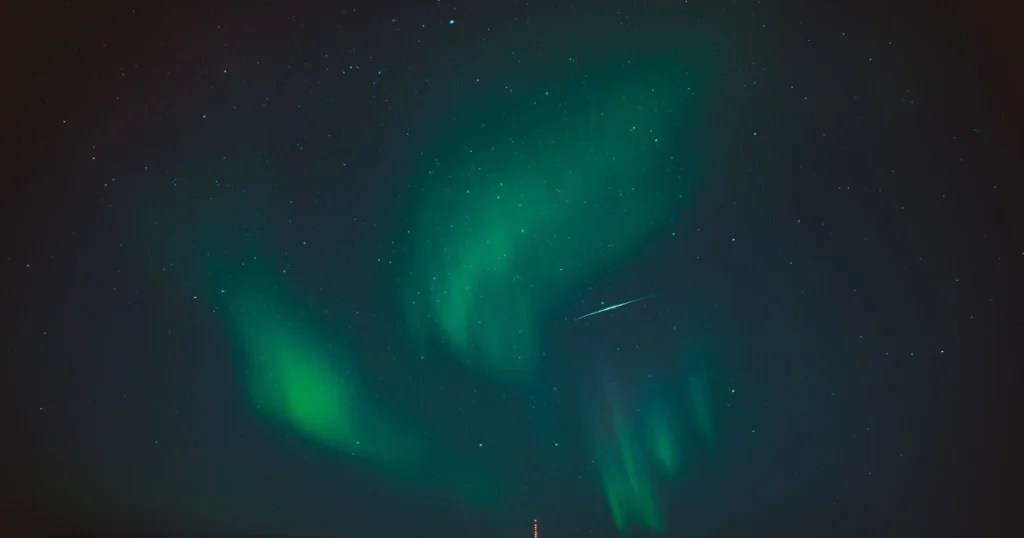
Finnish Lapland is another excellent choice if you want to combine the northern lights with a classic winter holiday.
Rovaniemi is one of the best-known bases, but you can also look at quieter destinations farther north.
What Can You Do in Finnish Lapland?
Depending on your destination, you can experience:
- Aurora excursions
- Snowshoeing
- Reindeer experiences
- Winter scenery
- Traditional sauna experiences
- Snow-based activities
- Wilderness accommodation
One advantage of Finnish Lapland is that the aurora does not have to be your only reason for visiting. You can fill your daytime itinerary with winter activities and then reserve your evenings for aurora watching.
4. Iceland
Iceland offers a different kind of northern lights experience.
Here, you can combine the aurora with dramatic landscapes, including waterfalls, mountains, glaciers, volcanic scenery, and coastlines.
Best Places to See the Northern Lights in Iceland
Instead of limiting yourself to Reykjavík, consider exploring darker areas outside the capital.
Potential regions include:
- South Iceland
- North Iceland
- The Snaefellsnes Peninsula
- Rural areas away from major towns
- The Westfjords
Iceland is particularly attractive if you enjoy road trips and want to photograph the aurora against unusual landscapes.
The major challenge is weather. Even if auroral activity is strong, thick cloud cover can prevent you from seeing anything.
5. Fairbanks, Alaska
For travelers looking for the best places to see the northern lights in the United States, Fairbanks is a strong option.
Fairbanks sits in Alaska’s Interior, where long winter nights and its position beneath the auroral oval create favorable viewing opportunities. Travel Alaska describes the region as one of the state’s strongest areas for aurora viewing.
Why Is Fairbanks Popular?
You can combine aurora hunting with:
- Winter landscapes
- Wildlife experiences
- Outdoor activities
- Hot springs
- Photography
- Scenic excursions
Travel Alaska identifies the aurora season in Fairbanks as approximately August 21 through April 21, with the darkest winter months offering particularly good opportunities.
If you are traveling in Alaska specifically to see the aurora, spending several nights gives you more opportunities than trying to see it on a single evening.
6. Yellowknife, Canada
Yellowknife in Canada’s Northwest Territories is another destination worth considering.
Its northern location and relatively dark surroundings make it an attractive base for aurora travelers.
Why Consider Yellowknife?
You can combine your trip with:
- Northern landscapes
- Winter activities
- Local cultural experiences
- Aurora tours
- Outdoor adventures
Canada has several northern destinations where aurora viewing is possible, but Yellowknife has developed a strong reputation for northern-lights tourism.
7. Whitehorse, Yukon
Whitehorse gives you another opportunity to experience the aurora in Canada’s northern wilderness.
If you enjoy outdoor travel, Yukon can be especially appealing because your trip can include more than simply waiting for the lights.
You can explore:
- Wilderness landscapes
- Winter trails
- Wildlife
- Scenic areas
- Local cultural attractions
A guided excursion can also be useful if you are unfamiliar with the area and want help choosing a safe viewing location.
8. Alta, Norway
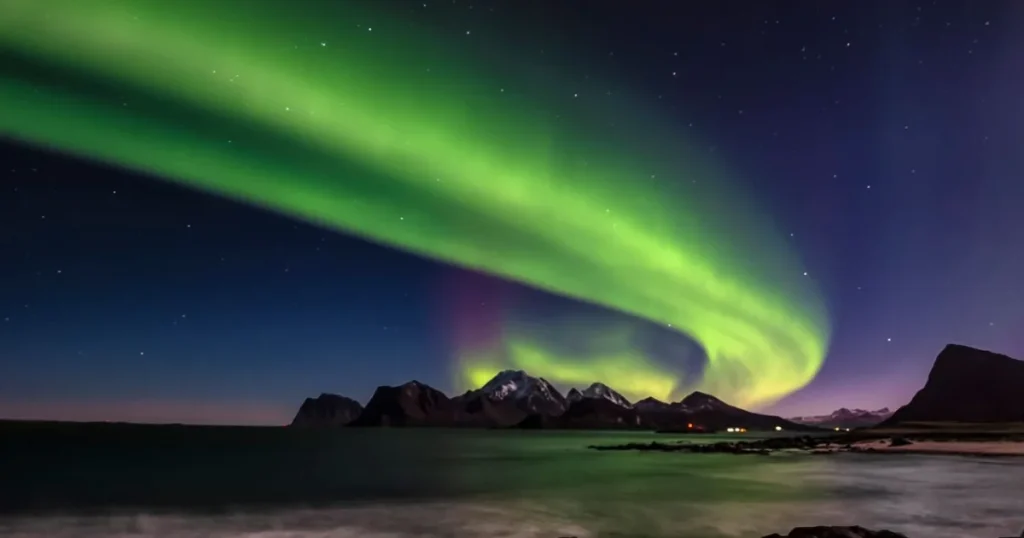
If you prefer a quieter atmosphere, Alta can be an alternative to some of the busier tourist bases.
9. Kiruna, Sweden
Kiruna is located in Swedish Lapland and can serve as another base for an Arctic adventure.
You can combine your trip with:
- Aurora tours
- Snow activities
- Winter photography
- Arctic landscapes
- Visits to nearby attractions
Its location also makes it useful if you want to explore more of northern Sweden during the same trip.
10. Svalbard, Norway
If you want something more remote, Svalbard offers an entirely different Arctic experience.
The archipelago is located much farther north than many popular aurora destinations. Its extreme environment makes the journey feel like an expedition rather than a conventional winter vacation.
Because conditions can be challenging, you should plan carefully and follow local safety guidance.
Best Northern Lights Destinations by Travel Style
Your ideal destination depends on what you want from the trip.
| Travel style | Destination to consider | Why it may suit you |
|---|---|---|
| First aurora trip | Tromsø | Convenient Arctic base |
| Nature-focused trip | Abisko | Wilderness and mountain scenery |
| Family winter vacation | Finnish Lapland | Wide range of activities |
| Scenic road trip | Iceland | Dramatic landscapes |
| U.S. aurora trip | Fairbanks | Strong Arctic location |
| Canadian adventure | Yellowknife | Northern setting |
| Remote Arctic experience | Svalbard | Exceptional northern environment |
| Photography trip | Abisko or Finnish Lapland | Landscapes and dark surroundings |
One of the most common questions is: When should you go?
The simple answer is that you need darkness, and your chances depend on solar and atmospheric conditions.
NOAA explains that auroras are generally most active around the late evening and midnight period, although displays can occur earlier or later. It also notes that the equinox periods can be favorable for aurora activity.
When Is the Best Time to See the Northern Lights?
Northern Lights Season by Month
NASA similarly identifies March and September as statistically favorable months for aurora activity.
These choices do not guarantee an aurora. Weather and solar conditions remain important wherever you travel.
| Month | Darkness | General viewing opportunity |
|---|---|---|
| September | Increasing | Good |
| October | Long nights | Good |
| November | Very long nights | Good |
| December | Very long nights | Good |
| January | Very long nights | Good |
| February | Very long nights | Good |
| March | Increasing daylight | Good |
| April | Less darkness | Depends on location |
These are general guidelines rather than guarantees.
For example, Travel Alaska places its aurora season roughly from late August through late April because that is when sufficiently dark nights return to the state.
How to Increase Your Chances of Seeing the Northern Lights
Even if you choose one of the best places to see the northern lights, you still need to plan intelligently.
Stay for Several Nights
Don’t build your entire trip around one evening if you can avoid it.
Clouds may cover the sky on one night while the following night could be completely different.
Travel Alaska recommends spending at least three nights in Alaska’s Interior or Arctic regions when the aurora is your main goal.
Get Away From Artificial Light
City lights can make weaker auroras harder to see.
A darker location gives your eyes a better chance to detect subtle activity.
NASA recommends choosing a safe viewing area with little or no light pollution.
Check the Weather
Before leaving your accommodation, check:
- Cloud cover
- Visibility
- Temperature
- Wind
- Local road conditions
A strong aurora behind thick clouds is still invisible to you.
Check Space Weather
Aurora forecasts can help you understand the potential for geomagnetic activity.
NOAA uses the Kp index, which ranges from 0 to 9, as a broad indicator of geomagnetic activity. Higher values generally mean that auroral activity can extend farther from the polar regions.
Northern Norway offers more than Tromsø.
Alta is another Arctic destination where you can combine aurora viewing with winter activities and northern landscapes.
However, don’t treat Kp as a guarantee. NASA describes it as a rough measure rather than a precise prediction of exactly when and where an aurora will appear.
Northern Lights Photography Tips
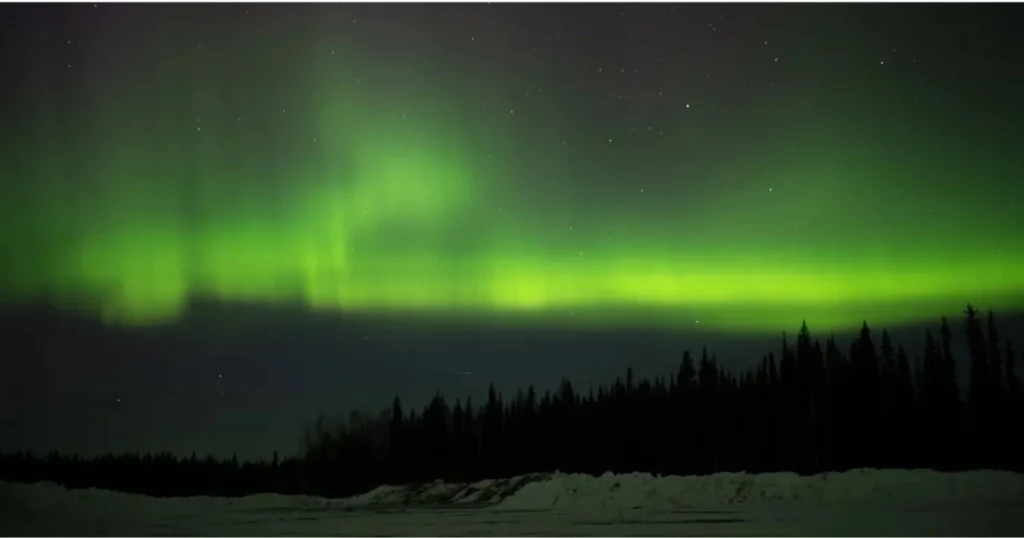
You don’t need professional photography equipment to enjoy photographing the aurora.
A basic camera or modern smartphone can sometimes capture details that are difficult to notice with your eyes.
NASA notes that cameras can be more sensitive than human vision, particularly when the aurora is relatively faint.
What Should You Bring?
Consider packing:
- Camera or smartphone
- Wide-angle lens if using a camera
- Tripod
- Extra batteries
- Power bank
- Headlamp
- Warm clothing
- Small snacks and a hot drink
Cold temperatures can drain batteries quickly, so NASA recommends keeping spare batteries warm when possible.
Basic Aurora Photography Approach
If your camera allows manual controls, start by experimenting with:
- Manual focus
- A wide aperture
- A relatively high ISO
- A suitable shutter speed
Your settings will depend on how bright and fast the aurora is moving, so expect to make adjustments.
What to Pack for a Northern Lights Trip
Waiting outside for an aurora can mean standing still for a long time in very cold conditions.
Your packing list should therefore focus on warmth and comfort.
Essential Items
- Thermal base layers
- Insulated jacket
- Warm trousers
- Gloves
- Hat
- Winter boots
- Thick socks
- Extra battery or power bank
- Camera
- Tripod
- Headlamp
- Water
- Snacks
NASA also recommends warm layers, blankets, spare batteries, a tripod, snacks, and hot beverag
Northern Lights Travel Mistakes to Avoid
Your trip can become much easier if you avoid a few common mistakes.
1. Staying for Only One Night
One cloudy night can mean zero visibility.
Several nights give you more opportunities.
2. Staying in a Bright City Center
Artificial light can reduce the visibility of weaker auroras.
3. Ignoring the Weather Forecast
Solar activity doesn’t matter much if clouds completely cover the sky.
4. Underestimating the Cold
You may spend hours outdoors, often while standing still.
Dress for the actual conditions rather than assuming you will only be outside briefly.
5. Expecting Your Eyes to See Exactly What a Camera Captures
Long-exposure photography can make an aurora appear more colorful and detailed than it looks to your eyes.
6. Treating an Aurora Forecast as a Guarantee
Forecasts help you make decisions, but the aurora remains unpredictable.
7. Forgetting to Enjoy the Experience
It’s easy to spend the entire evening staring at your phone or camera.
When the lights appear, take a moment to look up without a screen.
Frequently Asked Questions About the Best Places to See the Northern Lights
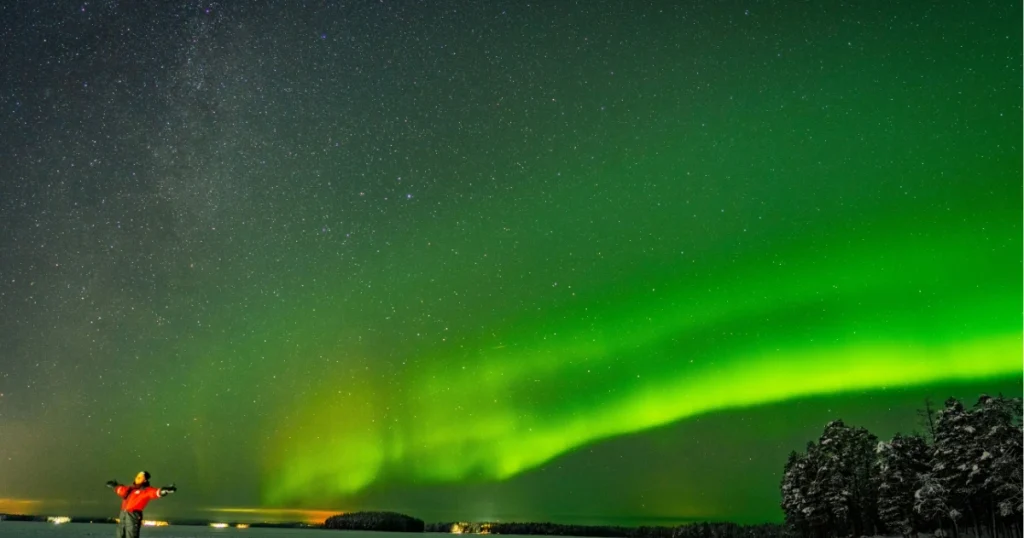
What are the best places to see the northern lights?
Some of the most popular options include Tromsø in Norway, Abisko in Sweden, Finnish Lapland, Iceland, Fairbanks in Alaska, and Yellowknife in Canada. Your choice should depend on your preferred travel style, budget, weather conditions, and accessibility.
What is the best country to see the northern lights?
There isn’t one universal winner. Norway, Sweden, Finland, Iceland, Canada, and the United States all offer excellent possibilities in the right conditions.
What month is best for seeing the northern lights?
There isn’t one guaranteed month. NASA identifies March and September as statistically favorable periods, while destinations at high latitudes generally offer longer aurora seasons during the darker months.
Can you see the northern lights every night?
No. Even in excellent destinations, cloud cover, daylight, solar activity, and local viewing conditions can prevent you from seeing the aurora.
What is the easiest place to see the northern lights?
Tromsø and Fairbanks are two practical choices because both combine favorable northern locations with established tourism infrastructure and aurora-related activities.
Are the northern lights visible to the naked eye?
Yes. Strong displays can be clearly visible without equipment. However, a camera may capture faint colors and details that your eyes do not notice as easily.
Choose Your Northern Lights Adventure
Finding the best places to see the northern lights is about more than picking the destination with the highest latitude.
You need to consider darkness, weather, geomagnetic activity, accessibility, accommodation, and how long you can stay.
If you want an accessible Arctic experience, Tromsø may be a strong starting point. If wilderness and dark skies are your priority, Abisko deserves attention. Finnish Lapland works well if you want to combine aurora viewing with a broader winter vacation. Iceland is ideal if you want spectacular landscapes alongside the lights, while Fairbanks and Yellowknife offer strong options in North America.
Most importantly, give yourself time.
The northern lights are not a scheduled attraction. You cannot guarantee that they will appear at exactly 10 p.m. on your first night. What you can do is put yourself in a good location, choose the darker season, monitor the conditions, and give yourself several opportunities.
Then, when the sky finally starts glowing above you, you’ll understand why so many travelers consider the aurora one of the world’s unforgettable natural experiences.
aurora borealis destinations Pick your top three destinations, compare their seasons and travel costs, and aim for a stay of several nights. Your perfect aurora adventure could be closer than you think.