Table of Contents
Best Places to Snorkel
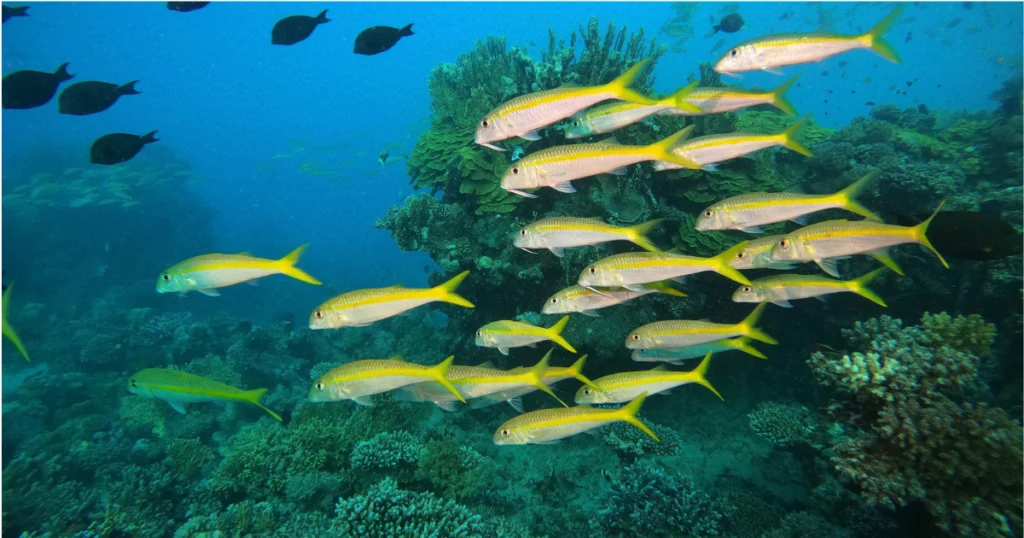
Imagine slipping beneath warm, transparent water and discovering a colorful world just below the surface. Schools of tropical fish move through coral gardens, sea turtles glide past you, and rays appear against the blue. You don’t need to be an experienced diver to enjoy these encounters. With a mask, snorkel, and the right destination, you can explore remarkable marine environments at your own pace.
Choosing between the best places to snorkel depends on more than finding a beautiful beach. Water clarity, reef health, marine life, accessibility, weather, and local conservation rules can all shape your experience.
From Australia’s spectacular reefs to the tropical islands of the Caribbean and the clear lagoons of the Maldives, you’ll find snorkeling destinations for different interests and travel styles in this guide. You’ll also discover how to choose a suitable location, what equipment to bring, and how to explore marine ecosystems without harming them.
Why Snorkeling Is One of the Best Ways to Explore the Ocean
Snorkeling lets you experience underwater environments without the extensive equipment and training associated with scuba diving. You remain near the surface while observing coral reefs, fish, turtles, rays, and other marine creatures.
Coral reefs are particularly fascinating because they support an extraordinary range of marine life. According to NOAA, coral reefs occupy less than 1% of the ocean but provide habitat for about 25% of marine species. This makes reef environments some of the most biologically diverse places you can explore while traveling.best places to snorkel
Depending on your destination, you could encounter:
- Colorful reef fish
- Sea turtles
- Rays
- Reef sharks
- Coral formations
- Seagrass habitats
- Octopuses and other marine animals
The experience can also vary dramatically between destinations. A shallow Caribbean bay may be perfect for a relaxed afternoon, while an offshore reef in the Pacific can provide a completely different adventure.
What Makes the Best Places to Snorkel?
A stunning beach doesn’t automatically mean you’ll find great snorkeling. Before booking your trip, consider several factors that can influence the quality and comfort of your experience.
Water Clarity and Visibility
Clear water makes it easier to appreciate coral formations and observe marine animals. However, visibility isn’t fixed. Rain, wind, currents, tides, and seasonal conditions can change the water from one day to another.
Check local conditions before entering the water rather than relying entirely on photographs or general travel descriptions.
Healthy Coral Reefs
Healthy reefs provide shelter and feeding areas for numerous marine species. They can also create more interesting underwater landscapes for snorkelers.
When researching destinations, look for protected marine areas and tour operators that actively follow conservation practices.
Marine Biodiversity
If you’re hoping to see sea turtles, rays, sharks, or particular fish species, research the wildlife found at your chosen destination.
Remember that marine animals are wild. Even in famous wildlife locations, sightings aren’t guaranteed.
Accessibility
Think about how you’ll reach the snorkeling site. Some destinations offer reefs directly from the beach, while others require a boat trip.
For beginners, easy shoreline access and protected water can make the experience considerably more comfortable.
The Best Places to Snorkel for an Unforgettable Ocean Adventure
1. Great Barrier Reef, Australia
Australia’s Great Barrier Reef is one of the world’s best-known coral reef destinations. Located along Queensland’s northeastern coast, this enormous marine ecosystem offers numerous locations for snorkeling and other reef activities.
Depending on the site and conditions, you may encounter colorful reef fish, coral formations, sea turtles, rays, and other marine creatures.
Why Visit the Great Barrier Reef?
- Extensive coral reef environments
- Numerous snorkeling locations
- Diverse tropical marine life
- Guided excursions
- Opportunities for both beginners and experienced swimmers
Because the reef covers such a large area, experiences vary depending on where you stay and which tour or site you choose.
Before booking an excursion, look for operators that explain reef etiquette and follow marine conservation guidelines.
2. Ningaloo Reef, Western Australia
Ningaloo Reef provides another remarkable Australian snorkeling experience. One of its attractions is the accessibility of reef environments along parts of the coastline.
The region is also associated with seasonal encounters with larger marine animals, giving your trip the potential to include more than traditional reef fish.
What Makes Ningaloo Special?
- Coral gardens
- Accessible reef areas
- Tropical fish
- Sea turtles
- Seasonal marine-life encounters
If you prefer a destination where snorkeling can be combined with wildlife experiences and coastal exploration, Ningaloo is worth researching.
3. Bonaire, Caribbean
Bonaire is well known among travelers interested in easy access to Caribbean marine environments. The island has numerous snorkeling locations, including areas that can be reached from shore.
This makes it convenient if you want to spend several days exploring underwater habitats rather than relying exclusively on boat excursions. best places to snorkel
What Might You See?
- Parrotfish
- Angelfish
- Tropical reef fish
- Coral formations
- Sea turtles
The combination of accessible snorkeling and beautiful Caribbean scenery makes Bonaire an attractive option for an underwater-focused vacation.
Best Places to Snorkel in Hawaii
4. Hanauma Bay, Oahu
Hanauma Bay is one of Oahu’s best-known marine destinations. Its protected setting and shallow areas have made it popular with visitors who want to observe tropical reef fish.
Why Visit?
- Protected marine environment
- Tropical fish
- Scenic volcanic landscape
- Accessible snorkeling areas
- Educational conservation information
Because the area is protected and popular, visitor rules are important. Check the latest regulations and reservation requirements before your trip.
5. Molokini Crater, Maui
Molokini Crater is a partially submerged volcanic formation located offshore from Maui. Its position in the ocean creates a distinctive snorkeling environment.
Most visitors reach Molokini by boat, making the trip part of the overall experience.
Highlights
- Volcanic underwater scenery
- Reef fish
- Coral habitats
- Clear-water conditions when weather cooperates
- Scenic boat journey
Ocean conditions can change quickly, so follow the instructions provided by your tour operator.
6. Kealakekua Bay, Big Island
Kealakekua Bay combines beautiful coastal scenery with marine habitats and an important historical setting.
Snorkeling here can give you the chance to observe tropical fish while enjoying the dramatic landscape of Hawaii’s Big Island.
What to Keep in Mind
- Follow local regulations
- Avoid touching coral
- Maintain distance from wildlife
- Check conditions before entering the water
- Use authorized access points where required
Best Places to Snorkel in the Caribbean
7. Belize Barrier Reef
Belize offers access to one of the Caribbean’s major reef systems. The Belize Barrier Reef includes numerous islands, cayes, and marine habitats.
Why Choose Belize?
- Coral reef ecosystems
- Tropical fish
- Rays
- Sea turtles
- Island-hopping opportunities
- Guided snorkeling excursions
Belize is also a good option if you want to combine snorkeling with other Caribbean activities.
8. Grand Cayman
Grand Cayman offers several ways to explore the underwater world, from shallow coastal areas to organized boat excursions.
Its warm Caribbean waters can provide enjoyable snorkeling conditions, although conditions vary according to weather and location.
Before You Go
Consider:
- Your swimming ability
- Current water conditions
- Distance from shore
- Boat traffic
- Whether a guided excursion would be useful
If you’re traveling with less experienced swimmers, look for calmer, easily accessible locations.
9. Turks and Caicos
Turks and Caicos combines white-sand beaches with clear Caribbean waters and diverse marine environments.
You can enjoy snorkeling close to shore or join a boat excursion to reach offshore locations.
A Snorkeling Trip Can Include
- Beach snorkeling
- Coral reef exploration
- Tropical fish encounters
- Boat tours
- Relaxing beach time
This makes Turks and Caicos suitable for travelers who want snorkeling to be part of a broader island vacation.
Best Places to Snorkel in Southeast Asia
10. Raja Ampat, Indonesia
Raja Ampat is famous for its exceptional marine biodiversity and remote island landscapes. The region is particularly appealing if your priority is exploring rich coral ecosystems.
Why Visit Raja Ampat?
- Extensive coral habitats
- High marine biodiversity
- Tropical fish
- Rays
- Beautiful island scenery
Because the region is remote, you’ll need to plan transportation and accommodation carefully. The extra preparation can also make the experience feel much more secluded.
11. Komodo National Park, Indonesia
Komodo National Park is famous for its terrestrial wildlife, but its surrounding waters also offer impressive marine environments.
Snorkeling sites can feature colorful coral, tropical fish, and rays.
Important Consideration
Some areas can experience strong currents. Choose snorkeling sites according to your experience and always follow guidance from qualified local operators.
12. Palawan, Philippines
Palawan offers a combination of tropical beaches, limestone cliffs, lagoons, and marine environments.
It’s particularly appealing if you don’t want your vacation to revolve entirely around snorkeling.
You Can Combine Snorkeling With
- Island hopping
- Lagoon excursions
- Kayaking
- Beach visits
- Coastal sightseeing
This variety makes Palawan a flexible destination for travelers who want both underwater and above-water adventures.
Best Places to Snorkel in the Maldives
13. Maldives House Reefs
The Maldives is a favorite destination for travelers who want easy access to tropical marine environments. Many islands and resorts have house reefs where you can snorkel without taking a boat every time you want to enter the water.
Depending on the location, you may encounter:
- Sea turtles
- Reef sharks
- Eagle rays
- Tropical fish
- Coral formations
- Manta rays in suitable areas
Why House Reefs Are Convenient
You can often:
- Snorkel directly from the island
- Spend as much time in the water as you want
- Return to shore easily
- Combine snorkeling with a relaxing resort stay
Marine conditions and wildlife encounters vary by season and location, so check local information before planning your trip around a specific species.
Best Places to Snorkel in Mexico
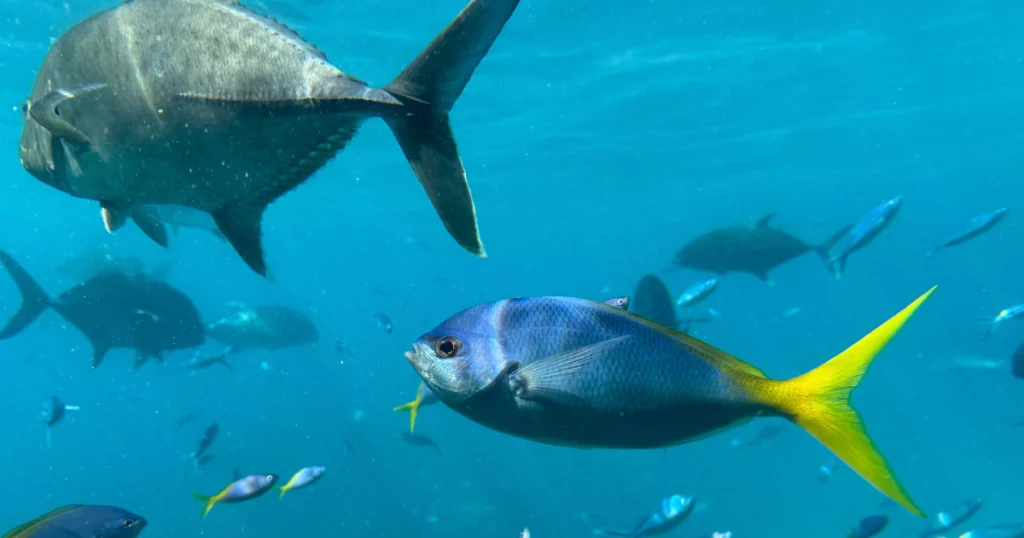
Mexico offers a wide range of underwater experiences, particularly along the Caribbean coast.
14. Cozumel
Cozumel is a popular destination for exploring Caribbean marine habitats. The island has numerous snorkeling and diving sites where you can encounter tropical fish and coral formations.
Why Add Cozumel to Your Trip?
- Numerous snorkeling sites
- Caribbean coral ecosystems
- Tropical fish
- Guided excursions
- Easy access to other island attractions
You can combine a snorkeling excursion with beaches, restaurants, sightseeing, and other activities.
15. Akumal
Akumal is especially known for opportunities to observe sea turtles. For many travelers, encountering a turtle in clear Caribbean water is one of the highlights of visiting the area.
However, responsible wildlife observation should always come first.
Turtle-Watching Etiquette
When you see a turtle:
- Keep a respectful distance
- Don’t touch it
- Don’t chase it
- Don’t feed it
- Allow it to swim freely
- Follow local visitor rules
NOAA’s marine-life viewing guidance recommends avoiding actions that disturb or alter the natural behavior of wildlife.
Best Places to Snorkel for Beginners
Your first snorkeling experience doesn’t need to take place in deep or remote water.
If you’re a beginner, prioritize locations where you can easily enter and leave the water and where conditions are appropriate for your swimming ability.
What Should Beginners Look For?
- Calm or sheltered water
- Shallow snorkeling areas
- Easy shoreline access
- Good visibility
- Reliable local safety information
- Experienced guides
- Convenient equipment rental
A protected bay or accessible house reef can be a practical choice when you’re still becoming comfortable with snorkeling.
Start slowly, stay within your abilities, and don’t feel pressured to swim farther than you’re comfortable with.
Best Coral Reef Destinations for Snorkeling
If coral reefs are your main attraction, consider destinations with established reef ecosystems and marine conservation programs.
Some locations worth researching include:
- Great Barrier Reef, Australia
- Ningaloo Reef, Australia
- Raja Ampat, Indonesia
- Maldives
- Belize Barrier Reef
- Bonaire
- Hawaii
How to Choose a Reef
Don’t judge a snorkeling site solely by photographs. Research the individual reef, seasonal conditions, visitor restrictions, and conservation practices.
A responsible operator should explain how guests can avoid damaging coral and disturbing wildlife.
Snorkeling Safety Tips You Should Know
Even calm-looking water can contain currents, waves, changing weather, or boat traffic. Checking conditions before entering the water should always be part of your routine.
Follow These Basic Safety Rules
- Check the weather and sea conditions.
- Follow local warnings.
- Choose a site appropriate for your swimming ability.
- Avoid unfamiliar strong currents.
- Stay alert around boats.
- Don’t snorkel beyond your limits.
- Use designated entry and exit points.
- Follow your guide’s instructions.
- Don’t chase marine animals.
- Never touch coral or wildlife.
If you’re not a confident swimmer, appropriate flotation equipment and a qualified guide can provide additional support.
Stay Aware of Your Surroundings
Don’t focus entirely on what is beneath you. Keep track of your position relative to the beach, boat, group, and other water users.
A little awareness can help you enjoy your snorkeling session without unnecessary stress.
How to Enjoy Snorkeling Without Harming the Ocean
A reef isn’t simply an underwater attraction. It’s a living ecosystem that can be affected by human activity.
NOAA identifies climate change, pollution, disease, ocean acidification, invasive species, and physical damage among the pressures affecting coral reef ecosystems.
Your behavior as a visitor can therefore make a meaningful difference.
Keep Your Hands and Fins Away From Coral
Coral can be easily damaged by physical contact. Don’t stand on the reef, grab coral, or use it to steady yourself.
Keep your fins under control and maintain enough distance to avoid accidental contact.
Never Feed Marine Animals
Feeding wild animals can interfere with natural behavior. Let fish and other marine creatures find food naturally.
Give Wildlife Space
A close encounter can be exciting, but getting closer isn’t necessarily better.
If you see a turtle, ray, shark, or another animal, remain calm and allow it to move naturally.
Choose Responsible Snorkeling Operators
Before booking a tour, look for operators that:
- Explain reef etiquette
- Discourage wildlife contact
- Follow marine regulations
- Avoid damaging coral
- Manage group sizes responsibly
- Support conservation efforts
Responsible snorkeling lets you enjoy marine life while minimizing your impact.
Frequently Asked Questions About the Best Places to Snorkel
What are the best places to snorkel for beginners?
The best option for a beginner is usually a destination with calm or sheltered water, shallow reefs, easy access, and reliable local guidance. Protected bays and accessible house reefs can be convenient places to start.
Which are the best places to snorkel for clear water?
The Maldives, Hawaii, parts of Australia, the Caribbean, and several Southeast Asian destinations can offer excellent visibility. However, water clarity changes with weather, currents, rainfall, and season.
Where are the best places to snorkel with sea turtles?
You may encounter sea turtles in destinations such as Hawaii, Akumal, the Maldives, the Great Barrier Reef, and parts of the Caribbean. Sightings are never guaranteed because these are wild animals.
When you encounter a turtle, observe it from a respectful distance rather than touching or following it.
What are the best places to snorkel for coral reefs?
If coral is your main priority, research destinations such as the Great Barrier Reef, Ningaloo Reef, Raja Ampat, Belize, Bonaire, Hawaii, and the Maldives.
Remember that reef quality can vary between individual snorkeling sites, even within the same destination.
Is snorkeling safer than scuba diving?
Snorkeling requires less specialized equipment and training than scuba diving, but it still involves ocean-related risks.
Currents, waves, weather, boats, and marine wildlife can all affect your safety. Choose conditions suitable for your abilities and follow local guidance.
What equipment do you need for snorkeling?
Your basic equipment includes:
- Mask
- Snorkel
- Fins
Depending on the location and your needs, you may also want a rash guard, suitable flotation equipment, sun protection, and an underwater camera.
A properly fitting mask is particularly important because an uncomfortable or poorly sealed mask can make snorkeling frustrating.
How can you snorkel without damaging coral?
Stay above the reef and avoid physical contact. Don’t stand on coral, touch marine animals, collect underwater objects, or feed wildlife.
Following local marine-protection rules is one of the easiest ways to reduce your impact.
Conclusion: Find Your Ideal Snorkeling Adventure
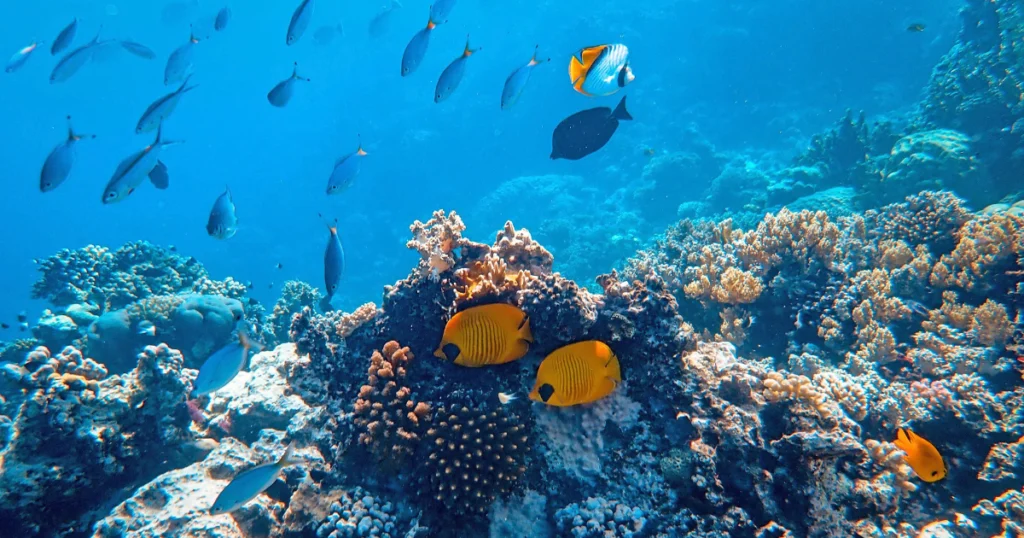
The best places to snorkel offer more than beautiful beaches and clear blue water. They give you the opportunity to discover coral ecosystems, observe fascinating marine animals, and experience destinations from an entirely different perspective.
From the Great Barrier Reef and Ningaloo Reef in Australia to Raja Ampat, the Maldives, Hawaii, Mexico, Belize, and the Caribbean, you have plenty of destinations to consider.
Your ideal choice depends on what you want from the trip. Maybe you’re searching for sea turtles, colorful coral, tropical fish, easy beach access, or a more remote experience.
Before you book, research seasonal conditions, local regulations, snorkeling requirements, and the conservation practices of tour operators.
Most importantly, remember that you’re entering a living ecosystem. Keep your distance from wildlife, avoid touching coral, and leave the underwater environment exactly as you found it.
Ready to plan your next ocean adventure? Choose a destination that matches your interests, prepare your snorkeling essentials, check local conditions, and get ready to explore some of the world’s most fascinating underwater landscapes—responsibly.