Table of Contents
Best Places to Visit in China
Can one nation hold ancient empires and the energy of futuristic cities? Exploring this vast land offers a unique journey through dramatic landscapes, historic wonders, and vibrant regional cuisines.
Beijing offers imperial majesty, while Xi’an holds the terracotta warriors. Zhangjiajie has ethereal peaks, and Hong Kong glows with neon light; the variety feels endless.
Whether you seek China adventure travel or a peaceful retreat in Yunnan Province, finding the right path matters.
This guide helps you find the best places to visit in China by matching your personal interests with your available time. We evaluate top China travel destinations by your preferred pace and transportation needs. Discover the most iconic places to see in China and start planning your unforgettable trip today.
Key Takeaways
- Identify your travel style to choose between urban exploration or rural trekking.
- Balance your itinerary between famous imperial landmarks and natural wonders.
- Consider regional transit options to maximize your limited vacation time.
- Experience diverse cultural traditions by visiting both northern and southern provinces.
- Use this guide to customize your route based on your specific pace and interests.
best places to visit in china for Different Travel Styles
Finding the best places to visit in china starts with what excites you most. China is vast, so narrowing your focus creates a more meaningful trip.
Match China’s destinations to your interests
Choose between history, nature, food, culture, and urban experiences
Your interests should guide your China itinerary. If you love imperial history, Beijing and Xi’an are essential stops. Nature seekers can enjoy Guilin’s karst landscapes or Yunnan’s mountain views.
Food enthusiasts can find bliss in Chengdu, famous for spicy Sichuan cuisine. Urban explorers may enjoy Shanghai’s high-energy atmosphere. Sorting China destinations by interest helps you use your time well.
- History: Beijing and Xi’an.
- Nature: Guilin, Yangshuo, and Yunnan.
- Food: Chengdu and regional street markets.
- Urban: Shanghai and Hong Kong.
Plan your route around geography and travel time
Combine nearby destinations while allowing time for transportation
Good China travel planning requires a realistic look at the map. Major cities can lie far apart, so nearby groups save valuable vacation hours.
For example, combine Xi’an’s historic sites with Chengdu’s panda sanctuaries. High-speed trains make this route efficient, but always allow extra time for transit and hotel check-ins.
A balanced China itinerary means resisting the urge to see everything at once. Focusing on certain regions helps you value local culture and landscapes more deeply. This approach turns a standard trip into a truly memorable adventure.
Beijing for Imperial History and Modern Chinese Culture
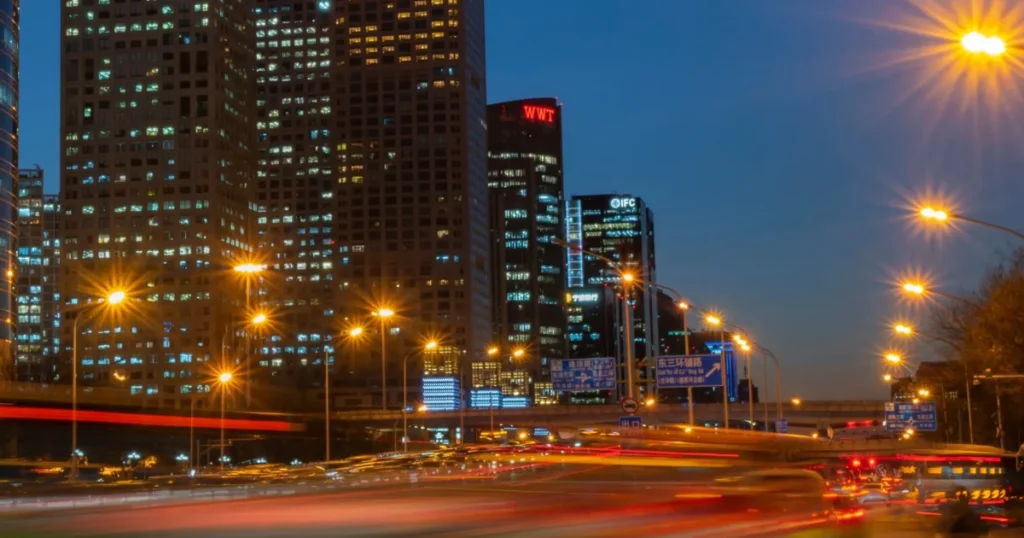
Your China adventure begins in Beijing, where each street corner tells stories of emperors and change. As you explore the capital, the best Beijing attractions blend ancient traditions with fast-paced city life. Many things to do in Beijing let you see this vast nation’s evolution firsthand.
Explore the Forbidden City and Tiananmen Square
Understand the historical significance of Beijing’s central landmarks
The Forbidden City is the crown jewel of imperial architecture. This vast palace complex housed twenty-four emperors for five centuries. As you pass through its grand gates, you can almost feel history beneath your feet.
Beside the palace, Tiananmen Square contrasts sharply in scale and political importance. It remains a central gathering place and shapes the city’s modern identity. Visit both sites early to avoid the largest crowds and enjoy a more reflective experience.
Walk the Great Wall at Mutianyu
Compare Mutianyu with Badaling and choose the best experience for your trip
Every trip needs a visit to the Great Wall at Mutianyu. This section is known for well-preserved watchtowers and lush mountain surroundings. It feels calmer than the wall’s more commercial sections.
| Feature | Mutianyu | Badaling |
|---|---|---|
| Crowd Levels | Moderate | Very High |
| Accessibility | Cable car/Toboggan | Easy access |
| Scenery | Dense forest | Rugged peaks |
Your travel style should guide this choice. If you prefer a quieter hike and stunning photo opportunities, Mutianyu is the better choice. Badaling often suits travelers who need quick, easy access to the structure.
Experience the Temple of Heaven, hutongs, and Beijing cuisine
Try Peking duck and explore traditional neighborhoods
After your mountain trips, visit the Temple of Heaven and watch locals practice tai chi in the park. This site reflects the spiritual life of the Ming and Qing dynasties. Then explore narrow hutongs, traditional alleyways that reveal the city’s historic soul.
You cannot leave Beijing without tasting authentic Peking duck. Crispy skin and tender meat show the height of local culinary art. Pair this meal with a walk through lively modern neighborhoods to experience the capital’s full range.
Xi’an China for Ancient Wonders and Silk Road Heritage
Stepping into xi’an china feels like entering a living museum of imperial power and cultural exchange. The city marks the eastern end of ancient trade routes and preserves a rich Silk Road heritage that shaped global history. These layers of time offer a unique view of Chinese civilization’s growth.
See the Terracotta Army near Lintong
The discovery of the Terracotta Army remains one of the twentieth century’s most important archaeological finds. Thousands of life-sized clay soldiers stand in formation, guarding the first emperor’s tomb. Seeing this silent army in person creates a haunting, beautiful link to the past.
Plan transportation, entry timing, and museum visits
Consider these essential tips for a smooth visit:
- Book tickets in advance to avoid long queues at the museum entrance.
- Arrive early to beat large tour groups arriving from the city center.
- Use tourist buses or a private car for efficient travel from central Xi’an to Lintong district.
Cycle or walk along the Xi’an City Wall
The Xi’an City Wall is one of the world’s best-preserved ancient fortifications. Walking or cycling across its massive top offers panoramic views of the old city beside the new. It offers a truly immersive way to grasp the ancient capital’s scale.
Choose between a daytime cultural visit and an evening experience
Visit during the day to see architectural details in bright sunlight. At night, the wall glows beneath thousands of traditional lanterns. Each choice creates a distinct mood and highlights the fortification’s grandeur.
Explore the Muslim Quarter and Big Wild Goose Pagoda
The Muslim Quarter Xi’an is a lively center of culture, food, and history. Narrow alleys pass bustling stalls and historic mosques shaped by centuries of Silk Road influence. Nearby, the Big Wild Goose Pagoda reflects Buddhist history and architectural elegance.
Sample local specialties while respecting the area’s religious and cultural traditions
Local foods include roujiamo, often called a Chinese hamburger. Remember to respect local customs while dining in this historic neighborhood. Respecting religious traditions helps keep your visit positive for the local community.
Shanghai for Skyline Views, Historic Streets, and Contemporary Energy
Shanghai offers a unique travel experience where historic charm meets the cutting edge of global architecture. As one of the most dynamic Shanghai attractions, the city pairs colonial-era heritage with futuristic glass towers.
Take in the Bund and Pudong skyline
The Bund offers the city’s most iconic waterfront view. Walk along its promenade to see neoclassical buildings on the west bank and soaring skyscrapers across the river.
Choose the best viewpoints for daytime and nighttime photography
For the best shots of the Bund Shanghai, arrive early to avoid the largest crowds. When the sun sets, visit observation decks around the Pudong skyline to photograph the city glowing with brilliant neon lights.
Discover Yu Garden and the Old City
Entering the Old City feels like traveling back to the Ming Dynasty. Yu Garden is a peaceful sanctuary filled with traditional rockeries, winding bridges, and ornate pavilions. These features contrast sharply with the surrounding urban sprawl.
Balance traditional architecture with Shanghai’s modern atmosphere
Spend your afternoon wandering the Old City’s narrow alleys to find hidden tea houses. The area shows how Shanghai preserves its cultural roots while maintaining a fast-paced, modern lifestyle.
“Shanghai is a city that never sleeps, yet it always finds a way to honor the quiet beauty of its past.”
— Local Travel Perspective
Visit the Former French Concession and Nanjing Road
The Former French Concession is known for tree-lined streets and European-style villas. It offers a relaxed setting for walks and visits to boutique shops.
Combine cafés, shopping, museums, and evening entertainment
After exploring the quiet lanes, head to Nanjing Road for high-energy shopping. Balance your day with a local museum in the morning and world-class nightlife in the evening.
| District | Primary Vibe | Best Activity |
|---|---|---|
| The Bund | Historic/Grand | Photography |
| Yu Garden | Traditional | Cultural Sightseeing |
| French Concession | Relaxed/Chic | Café Hopping |
| Nanjing Road | Modern/Busy | Retail Shopping |
Guilin and Yangshuo for China’s Most Iconic River Landscapes
Your China journey reaches a peak of natural beauty in Guilin and Yangshuo. The region is known for its dramatic limestone karst peaks rising sharply from lush, green plains. For serenity and adventure, Guilin travel offers an escape into China karst landscapes.
Cruise the Li River from Guilin to Yangshuo
The region’s most famous experience is a scenic boat trip along its winding waterway. A Li River cruise carries you past towering cliffs and traditional fishing villages at a relaxed pace.
Understand boat options, seasonal conditions, and scenic viewpoints
You can choose large, air-conditioned tourist vessels or smaller private boats for greater comfort. Spring and autumn bring pleasant weather, while summer offers lush greenery and occasional rain. Keep your camera ready: the reflection of the karst mountains on the water creates perfect photo opportunities.
Explore Yangshuo by bicycle, scooter, or bamboo raft
After reaching Yangshuo, explore the countryside on your own. Renting a bicycle or scooter lets you follow hidden paths that larger vehicles cannot reach.
See rice fields, karst peaks, and riverside villages beyond the main town
Cycling through the Yulong River valley reveals peaceful rice paddies and ancient stone bridges. For a closer experience, take a traditional bamboo raft along the smaller tributaries. This quiet connection with nature is a highlight for many travelers.
Visit Reed Flute Cave and Longji Rice Terraces
To complete your itinerary, visit natural wonders outside the city centers. The Longji Rice Terraces show agricultural skill, carved into mountainsides over centuries.
Decide whether to add Guilin’s caves or a mountain excursion to your itinerary
The Reed Flute Cave features an extraordinary display of stalactites and colorful lights like an underground palace. The terraces look best during planting or harvest seasons. Balance these trips carefully so you do not feel rushed.
| Activity | Best For | Intensity Level | Typical Duration |
|---|---|---|---|
| Li River Cruise | Sightseeing | Low | 4-5 Hours |
| Bicycle Tour | Active Exploration | Moderate | 3-6 Hours |
| Bamboo Rafting | Relaxation | Low | 1-2 Hours |
| Longji Hiking | Photography | High | Full Day |
Chengdu for Giant Pandas, Spicy Cuisine, and a Relaxed Pace
Chengdu invites you to slow down and discover Sichuan province through iconic pandas and lively streets. Among the many Chengdu attractions, the city balances modern growth with a deeply rooted, relaxed lifestyle. Here, the easy pace invites you to linger, observe, and enjoy your surroundings.
Visit Centre Panda Chengdu for a responsible wildlife experience
The centre panda chengdu, also called the Chengdu panda base, protects these beloved animals. This world-class facility supports research and habitat preservation. Visitors can see giant pandas in a setting modeled on their natural mountain home.
Arrive early and learn how conservation programs support giant pandas
Arrive when the gates open to make the most of your visit. Pandas are most active early, when keepers provide their first daily feedings. Arriving early helps avoid the largest crowds while you learn how breeding and conservation programs help the species thrive.
Explore Chengdu’s tea houses and historic neighborhoods
After visiting the pandas, explore local culture in traditional Chengdu tea houses. These spaces serve as the city’s living room, where people chat, play games, and enjoy slow afternoons. The atmosphere feels more relaxed than in bustling coastal cities.
Spend time in People’s Park, Kuanzhai Alley, and local teahouses
Start in People’s Park, where locals practice tai chi or enjoy traditional ear-cleaning services. Then wander Kuanzhai Alley’s restored lanes to admire the historic architecture and boutique shops. These neighborhoods reveal the city’s past while offering modern comforts for travelers.
Taste Sichuan hot pot and regional street food
No trip here is complete without exploring bold Sichuan cuisine. Local dishes use peppercorns and chili to create a sensory mix that feels numbing and spicy. Dining is often communal, with friends gathered around a bubbling pot of flavorful broth.
Prepare for spicy flavors and identify milder options when needed
If you dislike high heat, you can still enjoy the local menu. Ask for “wei la” (mildly spicy) with hot pot, and choose sweet-and-sour pork or vegetable sides. Exploring the local food culture is a highlight of any visit, with flavors as diverse as the city.
| Experience | Best Time to Visit | Key Highlight |
|---|---|---|
| Panda Base | Early Morning | Giant Panda Observation |
| People’s Park | Mid-Afternoon | Traditional Tea Culture |
| Kuanzhai Alley | Late Afternoon | Historic Architecture |
| Hot Pot Dinner | Evening | Authentic Sichuan Flavors |
Yunnan Province for Mountain Scenery and Cultural Diversity
Your journey through China reaches new heights in the rugged beauty of yunnan province. This region links dramatic Himalayan foothills with lush subtropical valleys. Here, ethnic diversity meets breathtaking natural vistas in a remarkable corner of the country.
“The mountains are calling and I must go, especially when they hold the secrets of ancient civilizations.”
— Anonymous Traveler
Discover Lijiang’s Old Town and Naxi heritage
Explore canals, courtyards, markets, and nearby Jade Dragon Snow Mountain
Walking through Lijiang Old Town feels like stepping back in time. Wander narrow stone canals and admire the Naxi people’s traditional architecture. Visit local markets for authentic snacks, then head to Jade Dragon Snow Mountain for alpine exploration.
Visit Dali and cycle around Erhai Lake
Experience lakeside villages, Cangshan Mountain views, and Bai culture
The calm atmosphere of Dali Erhai Lake contrasts with busy mountain towns. Rent a bicycle and follow scenic paths along the shoreline. Pause to enjoy Bai culture and views of the Cangshan Mountain range.
Travel through Shangri-La and northwest Yunnan
Prepare for high elevation, Tibetan-influenced culture, and changing weather
Traveling to Shangri-La China takes preparation because of its high altitude. You will find Tibetan-influenced traditions, ornate monasteries, and prayer flags fluttering in the wind. Pack layers because weather in this high-altitude region can shift quite rapidly throughout the day.
Choose the right season for Yunnan Province
Compare spring blossoms, summer greenery, autumn clarity, and winter conditions
Choose your travel time based on your outdoor goals. Enjoy spring’s bright colors or autumn’s crisp, clear skies in yunnan province. It remains a year-round destination for nature lovers.
| Season | Landscape Highlights | Travel Tip |
|---|---|---|
| Spring | Blooming flowers | Bring light layers |
| Summer | Lush greenery | Expect occasional rain |
| Autumn | Clear, crisp views | Best for photography |
| Winter | Snowy peaks | Pack heavy thermal gear |
Zhangjiajie for Dramatic Mountains and Outdoor Adventure
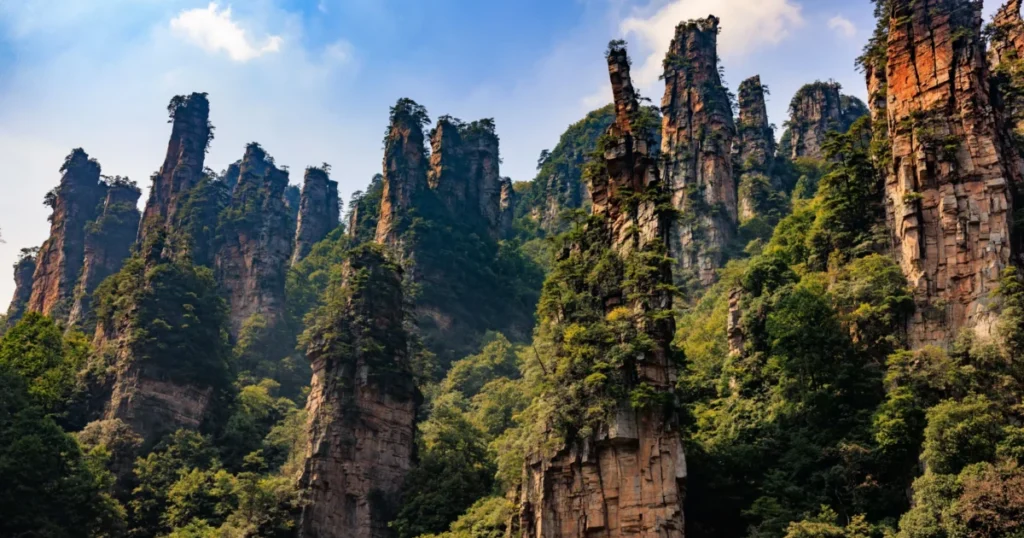
Prepare for an unforgettable China outdoor adventure in this region’s vertical landscape. The jagged, cloud-piercing Zhangjiajie mountains create a backdrop unlike any other destination. They offer a surreal experience for every traveler.
Hike among the sandstone pillars in Zhangjiajie National Forest Park
Zhangjiajie National Forest Park is the region’s heart, famous for its thousands of quartz-sandstone columns. These natural monoliths rise hundreds of meters, creating a truly otherworldly landscape.
Explore Yuanjiajie, Tianzi Mountain, and the Golden Whip Stream
Prioritize these three areas to capture the essence of the park:
- Yuanjiajie: Home to the famous “Avatar Hallelujah Mountain” and the Bailong Elevator.
- Tianzi Mountain: Offers panoramic views of the peaks that look like a traditional Chinese ink painting.
- Golden Whip Stream: A peaceful, flat trail that allows you to walk beneath the massive pillars.
Cross Zhangjiajie’s glass bridge and visit Tianmen Mountain
For thrill seekers, Tianmen Mountain is an essential stop. Reach the summit by the world’s longest passenger cableway, which offers stunning views of the winding road below.
The famous Zhangjiajie glass bridge offers a daring walk over a deep canyon. It is a highlight for many visitors, but looking through its transparent floor requires steady nerves.
Consider altitude, crowds, walking distances, and weather before booking
Planning is vital because the terrain is vast and vertical. Use this table to set expectations for a smooth trip:
| Factor | Impact | Recommendation |
|---|---|---|
| Altitude | Moderate | Stay hydrated and pace yourself. |
| Crowds | High | Arrive early to avoid peak queues. |
| Weather | Variable | Pack layers for sudden mountain mist. |
Build a practical Zhangjiajie itinerary
A well-structured plan helps you see the best viewpoints. Spend at least three full days exploring the park and surrounding mountain areas properly.
Allow enough days for cable cars, shuttle buses, trails, and viewpoints
Do not underestimate the time needed for internal transport. You will rely heavily on shuttle buses and cable cars between different mountain zones. Always check the weather forecast before visiting the highest trails, as visibility can change quickly in the mountains.
Furong Ancient Town for Waterfalls, Tujia Culture, and Night Views
Perched above a massive waterfall, furong ancient town shows the Tujia people’s ingenuity. This compact stop on western Hunan travel routes combines natural beauty and history, far from China’s busy metropolises.
Walk beneath the waterfall in Furong Ancient Town
The area’s most famous feature is the Furong waterfall, which flows through the village center. Stone paths lead behind the falling water, offering a cool, close view of the town’s setting.
See the town’s illuminated cliffs, stone lanes, and riverside scenery
At sunset, the town becomes a glowing spectacle. Carefully lit cliffs cast golden light across ancient stone lanes and the rushing river. This magical atmosphere makes an evening village walk essential.
Learn about Tujia architecture and local traditions
Beyond its scenery, the region is a stronghold of Tujia culture. Its distinct buildings include traditional wooden stilt houses called “diaojiaolou,” which cling to steep mountainsides. These homes show centuries of adaptation to the region’s rugged terrain.
Look for traditional homes, craftwork, food, and cultural performances
Local artisans practice age-old crafts, including detailed weaving and traditional silver smithing. Try the local street food, especially spicy tofu dishes that shape the regional palate. Many evenings feature performances of Tujia music and dance traditions.
Combine Furong with Fenghuang Ancient Town
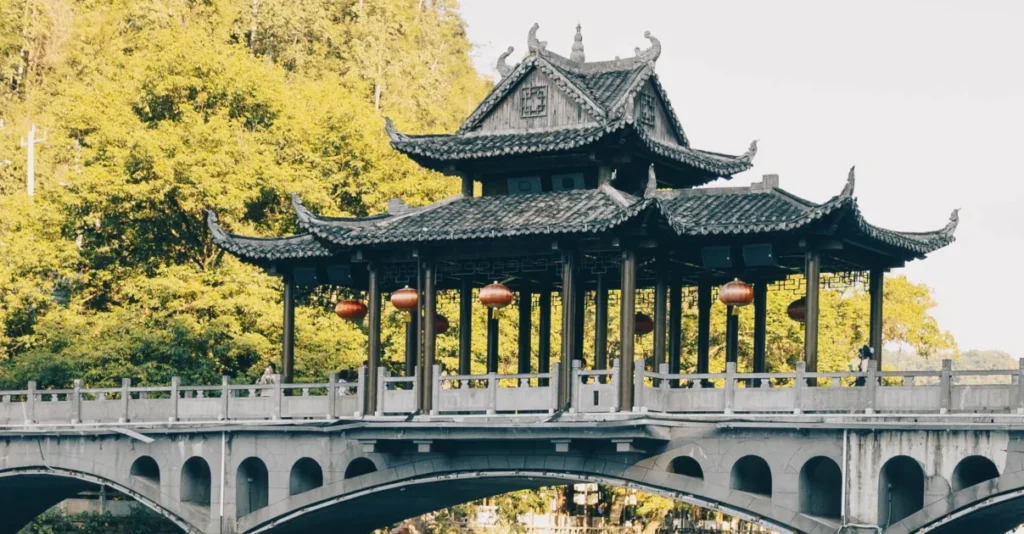
Many travelers link furong ancient town with a trip to nearby Fenghuang Ancient Town. Both places highlight western Hunan travel and offer different views of riverside life. Plan your route between these historic sites carefully for a smooth transition.
Compare transportation options and plan an efficient western Hunan route
You can choose a private car for flexibility or public transit for lower costs. Several options connect these historic sites. The table below shows the main choices for planning your itinerary.
| Transport Mode | Estimated Time | Convenience Level | Best For |
|---|---|---|---|
| Private Car/Taxi | 2 – 2.5 Hours | High | Groups and Families |
| Intercity Bus | 3 – 4 Hours | Medium | Budget Travelers |
| High-Speed Train | 1.5 Hours | High | Efficiency Seekers |
Hong Kong for Harbor Views, Food, and High-Impact City Experiences
Hong Kong blends high-impact city energy with calm natural escapes. Its iconic harbor, dense neighborhoods, and world-class food create a unique rhythm. The variety of things to do in Hong Kong lets you enjoy modern luxury and ancient traditions in one trip.
Ride the Star Ferry and visit Victoria Peak
No visit is complete without a classic harbor crossing on the Star Ferry. This historic ride offers an affordable, scenic view of the world-famous skyline. Then visit Victoria Peak for views from the city’s highest point.
Choose the best times for skyline views and harbor photography
For stunning images, visit Victoria Peak during blue hour, just after sunset. You can watch city lights twinkle against the darkening sky. For fewer crowds, visit on a weekday morning, when air is often clearer and decks are less packed.
Explore temples, markets, and neighborhoods across Hong Kong
The city’s true character appears in its diverse districts. Wander through busy street markets or find peace in quiet, incense-filled shrines. These Hong Kong attractions reveal local daily life.
Include Mong Kok, Central, Sham Shui Po, and traditional temples
Begin in Central, with its shining financial towers and famous Mid-Levels Escalators. Visit Mong Kok for a vivid experience in one of Earth’s most densely populated areas. See Sham Shui Po for street food and vintage electronics, or visit the Man Mo Temple for spiritual reflection.
Plan things to do in Hong Kong beyond the city center
The urban core draws visitors, but outlying areas offer a welcome change of pace. Take a short ferry ride or scenic bus trip to greener parts of the territory. These regions reveal rugged beauty that many travelers overlook.
Consider Lantau Island, the Big Buddha, hiking trails, and outlying islands
Lantau Island is a peaceful retreat, home to the majestic Tian Tan Buddha, also called the Big Buddha. Explore the coastal village of Tai O, or hike the Dragon’s Back trail for wide ocean views. These places show that nature remains close in this dynamic destination.
| District | Primary Appeal | Best Activity |
|---|---|---|
| Central | Modern Skyline | Victoria Peak Tram |
| Mong Kok | Street Markets | Night Market Shopping |
| Lantau Island | Nature & Culture | Big Buddha Visit |
| Sham Shui Po | Local Heritage | Street Food Tasting |
Conclusion
Choosing the best places to visit in China means matching your interests with the country’s vast size. You may favor Beijing’s imperial history, the deep roots of Xi’an China, Yunnan province’s beauty, or Furong ancient town’s charm.
Your itinerary should match your pace and travel style. Spend a morning at the Centre Panda Chengdu to connect with wildlife, then visit a busy metropolis. The many things to do in Hong Kong contrast with quiet mountain trails elsewhere.
Consider your travel time and transport links when planning your route. Seasonal weather patterns play a vital role in creating a smooth trip across different regions. Choose destinations that spark curiosity and create a memorable adventure.
Start planning today by choosing regions that match your goals. Whether you seek urban excitement or peaceful landscapes, your ideal Chinese getaway is within reach. Pack your bags for an unforgettable exploration of this dynamic country.
FAQ
How can you best match China’s destinations to your specific travel interests?
Create your itinerary by grouping destinations according to your main interests. For imperial history, Beijing and Xi’an China are essential. For iconic landscapes, choose Guilin’s karst peaks or Zhangjiajie’s sandstone pillars, or combine Shanghai’s skylines with tea house culture at the centre panda chengdu.
What are the top things to do in Hong Kong for travelers who want to see both the city and nature?
Ride the Star Ferry across Victoria Harbour and take the tram to Victoria Peak. For nature, visit Lantau Island and the Tian Tan Buddha. You can also hike the Dragon’s Back trail for coastal views far from Mong Kok’s crowded streets.
Why is Yunnan Province considered one of the most diverse regions to visit?
Yunnan Province combines high-altitude mountain scenery with rich ethnic heritage. Explore Naxi culture in Lijiang’s Old Town, cycle past Bai homes near Dali’s Erhai Lake, and experience Tibetan-influenced traditions in Shangri-La. Varying elevations bring different climates and seasonal blossoms within one trip.
How do you plan a successful visit to see the Terracotta Army in Xi’an China?
Plan transportation early and enter the Terracotta Army near Lintong early, before the largest tour groups arrive. In Xi’an China, also allow time to cycle the Xi’an City Wall. Explore Muslim Quarter food stalls and try local specialties like roujiamo.
What makes Furong Ancient Town different from other historic water towns in China?
Unlike canal towns near Shanghai, Furong Ancient Town has a dramatic waterfall over the Tuojiang River. You can walk on a path behind the falling water. At night, Tujia-style buildings and cliffs are fully illuminated, making it ideal with Zhangjiajie or Fenghuang.
What is the best way to experience the giant pandas at the centre panda chengdu?
For a responsible wildlife experience, arrive when the Chengdu Research Base of Giant Panda Breeding opens. It is often called the centre panda chengdu, and pandas are most active while feeding on bamboo. Later, visit a traditional tea house in People’s Park or try authentic Sichuan hot pot.
How should you prepare for the weather and terrain in Zhangjiajie National Forest Park?
Zhangjiajie requires long walks and can have changing mountain weather, so wear layers and sturdy footwear. Build a flexible schedule for cable cars, shuttle buses, and the Bailong Elevator. Check fog levels because visibility can change quickly around Avatar Hallelujah Mountain and Tianmen Mountain.