
Table of Contents
Benjamin Franklin once noted, “For every minute spent organizing, an hour is earned.” This advice helps when preparing for your next big adventure.
Learning how to pack a suitcase efficiently can make travel less stressful. Use smart folding methods and organizers to create more room in your luggage.
This guide shows how to pack a suitcase efficiently while protecting garments and keeping essentials within reach. You will learn about packing cubes, smart shoe placement, and weight management.
Always remember to keep vital documents, medications, and electronics in your carry-on bag. Good preparation keeps your belongings safe and accessible throughout your entire journey.
Key Takeaways
- Plan your outfits in advance to avoid overpacking unnecessary items.
- Use packing cubes to compress clothing and maximize internal volume.
- Place heavy footwear at the base of your bag to maintain balance.
- Keep your passport, wallet, and medicine in a separate personal item.
- Weigh your luggage before leaving to avoid unexpected airline fees.
Set Up Your Packing Plan Before You Open the Suitcase
Travel planning starts long before you zip your bag. A clear plan prevents overpacking and helps you bring exactly what you need. These efficient packing tips simplify packing and reduce travel stress.
Match Your Packing List to the Trip
Check the destination’s weather, activities, and dress expectations
Research the local climate and each event on your itinerary. Knowing whether you need a raincoat or formal dinner outfit prevents extra items. Always check the forecast before finalizing your list for sudden weather changes.
Plan complete outfits instead of packing isolated clothing items
Do not toss random shirts and pants into your bag. Picture each day and build complete outfits for several uses. This approach gives every clothing item a purpose in your luggage.
Choose the Right Suitcase and Packing Supplies
Compare hard-shell and soft-sided luggage for your itinerary
Choose luggage based on your travel plans and what you carry. Hard-shell cases protect fragile items better, while soft-sided bags fit tight overhead bins more easily.
| Feature | Hard-Shell | Soft-Sided |
|---|---|---|
| Durability | High | Moderate |
| Flexibility | Low | High |
| Weight | Varies | Lightweight |
| Best For | Electronics/Fragiles | Tight Spaces/Casual |
Use packing cubes, compression bags, a laundry bag, and a small toiletry case
Organization is the backbone of efficient packing tips. Packing cubes sort clothes, and compression bags shrink bulky sweaters. A laundry bag separates worn clothes, while a small toiletry case helps prevent spills.
Apply the One-Week Clothing Rule
Limit duplicate basics and select a coordinated color palette
The one-week rule says you need clothing for only seven days, no matter the trip length. Use a coordinated color palette so every top matches every bottom. This plan cuts the number of items you carry while expanding your wardrobe choices.
Reserve space for purchases and unexpected weather changes
Leave about 20% of your suitcase empty. This space holds souvenirs or items you may need if the weather becomes cold or wet. Planning for surprises is a hallmark of a seasoned traveler who values efficient packing tips.
Sort and Edit Everything Before It Goes in Your Bag
Mastering the best way to pack a suitcase starts with careful editing. Lay every item on your bed or floor. This view separates needs from wants, prevents overpacking, and highlights each item’s purpose.
Create Separate Categories for Clothing and Travel Essentials
Organizing your gear into separate piles helps you manage space. Group items by function so you do not forget anything during final preparation.
Divide items into tops, bottoms, undergarments, shoes, accessories, and toiletries
Sort your clothing into logical piles. Separate tops, bottoms, and undergarments to see how many outfits you created. Always keep toiletries in a dedicated bag to prevent spills and simplify security checks.
Keep documents, medications, electronics, and valuables outside checked luggage
Never put critical items in your checked bag. Keep your passport, medications, and expensive electronics in your carry-on for maximum security and quick access. This protects important belongings from loss or damage during transit.
Build a Capsule Wardrobe for Flexible Outfits
A capsule wardrobe helps you travel light. With a cohesive color palette, you can create many looks from a few key pieces.
Select neutral base pieces that work with multiple combinations
Choose black trousers, white shirts, or denim jeans as your foundation. Neutral colors mix easily, making this the best way to pack a suitcase for long-term versatility.
Add a few versatile layers rather than several single-use garments
Instead of packing a heavy coat, bring a light sweater or waterproof shell. These layers handle changing weather without adding much bulk.
Remove Items That Add Weight Without Adding Value
Be honest about your packing list. If an item serves only one purpose, use that space for something more essential.
Eliminate “just in case” clothing and duplicate footwear
Most travelers regret packing extra shoes or outfits they never wear. Follow your itinerary and remove any “just in case” backup items.
Replace bulky items with lightweight, multifunctional alternatives
Swap heavy denim jackets for lightweight fleece or windbreakers. Each ounce saved makes your travel experience more comfortable.
Weigh the Packed Items Before Loading the Suitcase
Before finishing your bag, learn your airline’s weight limits. Knowing the total weight prevents stressful repacking at check-in.
Check airline baggage limits and personal weight preferences
Review your airline’s weight policy before leaving home. Staying under the limit helps you avoid expensive fees and keep your bag manageable.
Use a luggage scale to avoid repacking at the airport
A portable luggage scale is essential for frequent travelers. It confirms the best way to pack a suitcase while keeping your bag within its weight allowance.
| Category | Strategy | Benefit | Priority |
|---|---|---|---|
| Clothing | Capsule Wardrobe | Versatility | High |
| Electronics | Carry-on Only | Safety | Critical |
| Toiletries | Travel-sized | Space-saving | Medium |
| Footwear | Limit to two pairs | Weight reduction | High |
How to Pack a Suitcase Efficiently With the Right Folding Methods
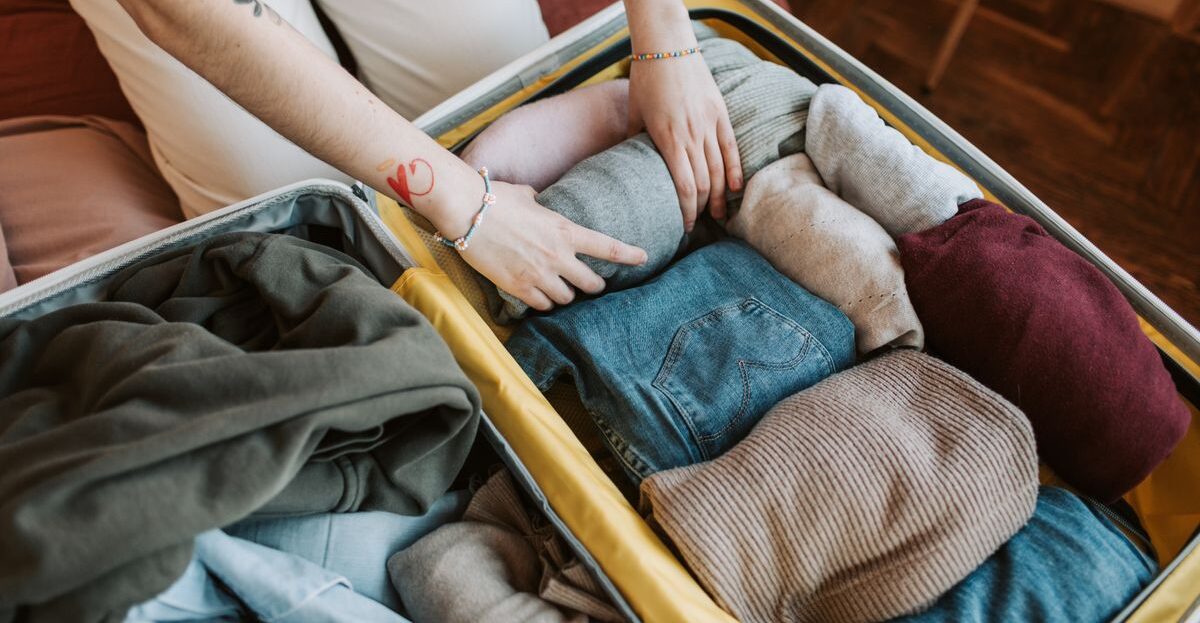
An organized suitcase packing plan starts with the right method for each fabric and garment structure. The right method saves space and keeps clothes in good condition throughout your journey.
Roll Casual Clothing to Reduce Empty Spaces
Roll T-shirts, jeans, leggings, pajamas, and workout clothes tightly
Rolling saves the most space for casual items. Smooth each garment, then roll it tightly to remove air pockets.
Keep rolls uniform so they can be stacked or placed upright
Uniform rolls create a grid-like structure inside your bag. You can see everything without digging through layers.
Fold Structured and Delicate Garments Properly
Fold dress shirts, blazers, sweaters, and trousers along natural seams
Structured items need gentle handling to keep their shape. Fold dress shirts, blazers, sweaters, and trousers along natural seams to prevent lasting creases.
Use tissue paper or dry-cleaning plastic to reduce wrinkles
Place tissue paper between fabric layers to create a buffer. It reduces friction, the main cause of wrinkles during transit.
Bundle Bulky Clothing Around a Soft Center
Place underwear and accessories in the middle of the bundle
The bundling method wraps larger items around smaller, softer pieces. Place underwear and accessories in the center to create a compact package.
Wrap jackets, sweaters, and trousers around the center without over-tightening
Wrap jackets, sweaters, and trousers around the center without over-tightening. Light tension prevents stretching and helps maintain the silhouette of your favorite travel outfits.
Use the Right Method for Each Fabric
Protect linen, silk, wool, and wrinkle-prone synthetic fabrics
Delicate materials may need flat folding or careful layering to prevent damage. Do not compress them too tightly; they need room to breathe.
Separate compression-friendly items from garments that need airflow
Keep synthetic, moisture-wicking fabrics separate from natural fibers like linen or silk. This keeps your organized suitcase packing fresh and odor-free.
| Method | Best For | Space Efficiency |
|---|---|---|
| Rolling | T-shirts, Jeans | High |
| Folding | Blazers, Shirts | Medium |
| Bundling | Jackets, Sweaters | High |
Load the Suitcase in Layers to Use Every Inch
Mastering the art of suitcase packing hacks starts with a layer-by-layer approach. Treat your luggage like a puzzle to fit more items and keep them easy to reach.
Place Shoes and Heavy Items at the Base
Position footwear near the wheel end of a rolling suitcase
Always start by placing your heaviest items near the wheels. This crucial step keeps the center of gravity low and prevents your suitcase from tipping when upright.
Fill shoes with socks, belts, chargers, or other small items
Do not waste the empty space inside your shoes. Stuffing socks, chargers, or belts inside shoes is one of the most effective suitcase packing hacks. It saves space and helps preserve their shape.
Pack Clothing in Cubes or Stable Rows
Assign each packing cube to a clothing category or outfit type
Packing cubes group clothing by type, such as tops, bottoms, or undergarments. They keep your bag tidy and make it incredibly easy to find items without unpacking everything.
Arrange rolled garments vertically for easier access and visibility
If you skip cubes, arrange rolled clothes in vertical rows. This layout lets you see every item at a glance and prevents unstable piles from shifting during transit.
Fill Corners, Gaps, and Interior Pockets
Use belts, swimsuits, scarves, and socks to fill narrow spaces
Find empty gaps along your suitcase’s edges and corners. Tuck soft items, such as scarves, swimsuits, or rolled socks, into these spaces to maximize capacity.
Place small items in built-in compartments instead of scattering them
Use your suitcase’s interior pockets for small essentials, such as jewelry or travel documents. Designated spots keep these items from getting lost or damaged among larger garments.
Finish With Lightweight and Wrinkle-Sensitive Items
Lay blouses, dresses, and shirts flat near the top
Place your most delicate or wrinkle-prone clothing in the final layer. Laying these items flat reduces the pressure and friction that cause unwanted creases.
Keep the final layer smooth so the suitcase closes without pressure
Ensure your top layer stays level and smooth before zipping the bag. A balanced load lets the suitcase close easily without forcing the zippers or compressing the contents.
Balance Weight Between Both Sides
Distribute dense items to prevent tipping and uneven rolling
Distribute heavier belongings evenly across both sides of the suitcase. This simple adjustment helps your bag roll smoothly without pulling to one side through airports or city streets.
Keep the suitcase stable when it stands upright
A well-balanced bag is essential for stress-free travel. Correct weight distribution keeps your suitcase stable and upright, creating a reliable base for your carry-on or personal item.
Use Space-Saving Techniques for Shoes, Toiletries, and Accessories
Smart packing techniques can transform how you organize travel essentials for a stress-free journey. Focus on overlooked categories to significantly reduce bulk inside your luggage.
Limit and Pack Shoes Strategically
Choose one walking shoe, one versatile dress shoe, and activity-specific footwear only when necessary
Footwear often wastes the most space. Limit your selection to one pair of comfortable walking shoes, one versatile dress shoe, and needed activity gear.
Place shoes in washable bags with soles facing outward
Place each shoe in an individual washable bag, with its sole facing outward. This keeps your suitcase clean and helps maximize the available space.
Reduce the Volume of Toiletries
Transfer liquids into travel-size containers that meet TSA requirements
Transfer all liquids into clear, travel-size containers to simplify security screening. This meets all TSA requirements and keeps your toiletry kit compact.
Choose solid shampoo, soap, deodorant, and makeup when practical
When practical, choose solid versions of your grooming products. Solid shampoo bars, soap, and stick deodorants prevent spills and save valuable liquid allowance.
Protect Toiletries From Leaks
Seal liquids in a transparent toiletry bag and place caps under plastic wrap
Place a small piece of plastic wrap under every liquid container cap to prevent messy accidents. Store these items in a transparent, leak-proof bag for easy inspection.
Keep leak-prone containers away from clothing and electronics
Always isolate your toiletries from delicate clothing and expensive electronics. For liquids in transit, Safety is paramount.
“The secret to a light suitcase is not just what you bring, but how you manage the space you have.”
Compress Small Accessories Without Losing Them
Store jewelry in a pill organizer, contact lens case, or small pouch
Small items like jewelry can disappear inside a bag. Use a pill organizer or contact lens case to keep accessories neatly contained and tangle-free.
Use cable ties or a compact electronics organizer for chargers and cords
Tangled cords create clutter. Use cable ties or a compact electronics organizer to keep chargers bundled and ready.
Make Bulky Accessories Work Harder
Wear your largest hat, jacket, or boots during transit when comfortable
If you have bulky items, wear them during travel when comfortable. This smart packing technique frees significant room in your suitcase for other essentials.
Use a scarf as a layer, pillow cover, or protective wrap
A versatile scarf serves multiple purposes. Use it as an extra layer for warmth, a makeshift pillow cover, or a protective wrap for fragile items.
Keep Clothes Neat, Accessible, and Protected During Travel
You can keep clothes neat and easy to reach throughout your journey with a few simple habits. Packing efficiently for travel means more than arranging clothes at the start. Plan how you will reach each item to save time and reduce stress when you arrive.
Organize the Suitcase by Use and Timing
Place first-day clothes and sleepwear where you can reach them quickly
Keep immediate needs at the top of your bag. Quick access to your first-day outfit and sleepwear prevents digging through your suitcase after a long flight or drive.
Keep swimwear, workout gear, or business attire in separate cubes
Use separate packing cubes for each category. This keeps workout gear away from formal wear, so everything stays clean and ready.
Separate Clean Clothes From Worn Items
Pack a dedicated laundry bag for used clothing
A lightweight laundry bag is essential for any traveler. It contains worn items and prevents odors from spreading to fresh clothes.
Keep damp swimwear in a waterproof pouch until it can dry
Never pack wet items against dry clothes. A waterproof pouch blocks moisture and protects your suitcase from possible mildew.
Prevent Wrinkles While the Bag Moves
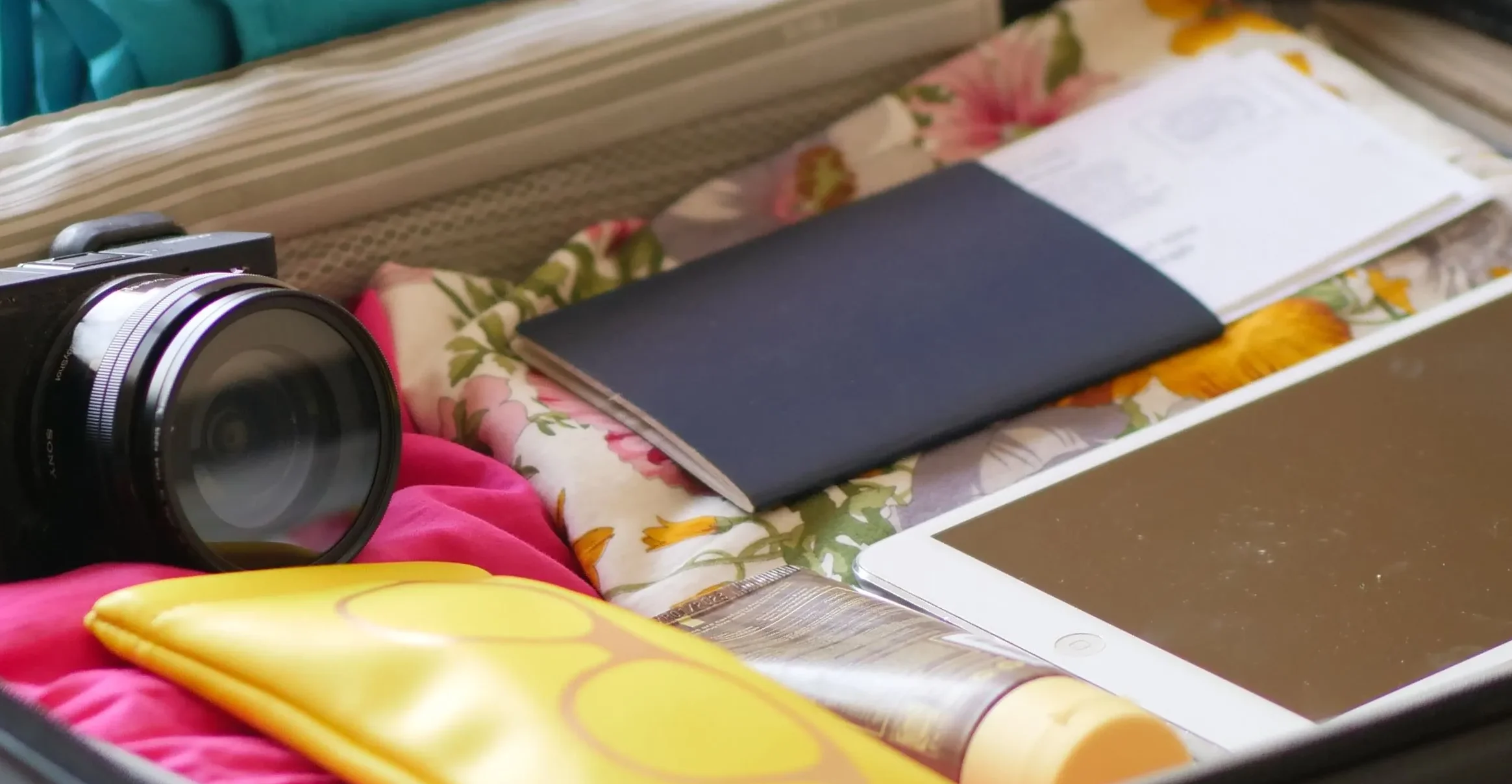
Avoid overstuffing compression cubes and forcing the zipper closed
Compression can help, but overstuffing causes deep, stubborn wrinkles. Give fabrics room to keep their shape during transit.
Use garment folders for business clothing and delicate outfits
Garment folders give shirts and dresses a structured space. They are highly effective at limiting movement, which often causes creases.
Protect Fragile and Spillable Items
Wrap breakables in clothing and place them in the suitcase’s center
The suitcase center gives items the most protection from outside impacts. Wrap fragile items in soft clothing to create a cushioned buffer zone.
Keep medications, glasses, and important devices in your personal item
Essential items should never go in checked luggage. Keep medications, eyewear, and electronics in your carry-on or personal bag for safety and easy access.
Create a Simple Unpacking System
Label or color-code packing cubes for quick identification
When you are packing efficiently for travel, keep your arrival plans organized. Color-coded cubes help you identify contents without opening every bag.
Keep a small empty pouch available for souvenirs and reorganizing
Leave extra space for the return trip. An empty pouch can hold small souvenirs or separate items for reorganization before you go home.
Adapt Your Packing Strategy to Different Types of Trips
Good suitcase packing strategies match your journey. Adjust them for its length, climate, and purpose. This keeps your luggage manageable and organized.
Pack Efficiently for a Weekend Away
Build a compact capsule wardrobe around one pair of versatile shoes
For short trips, keep things simple. Choose one pair of comfortable, neutral-colored shoes for sightseeing and evening dining. Build every outfit around these shoes to save space.
Use a personal item for toiletries, electronics, and travel documents
Keep essentials in a personal item, such as a tote or backpack. Your main luggage stays light, while important items remain easy to reach during travel.
Prepare for a Business Trip
Prioritize wrinkle-resistant professional clothing and interchangeable layers
Business travel requires a polished look without ironing. Choose wrinkle-resistant fabrics and a matching color palette. These suitcase packing strategies help you look professional throughout your trip.
Separate work essentials so you can access them without unpacking everything
Store your laptop, chargers, and documents in a separate compartment or sleeve. You can clear security or prepare for meetings without searching through your clothes.
Handle Cold-Weather Travel
Choose thin insulating layers instead of several bulky sweaters
Thermal base layers and lightweight fleece provide warmth without bulk. They compress easily and leave room for other necessities.
Wear your heaviest coat and boots while traveling when practical
Wear your heaviest items on the plane when practical. This saves luggage space and keeps you warm in chilly airport terminals.
Pack for Beach or Outdoor Activities
Protect electronics and clothing from sand, water, and sunscreen
Use sealable bags to protect your gear from the elements. Sand and moisture can damage electronics, so keep them in a dry pouch.
Use quick-drying fabrics and a waterproof bag for wet gear
Pack synthetic, moisture-wicking items that dry quickly. Carry a waterproof dry bag for damp swimsuits or towels. This keeps clean clothing dry.
Organize Family or Multi-Destination Travel
Assign packing cubes by person, activity, or destination
Organization matters when traveling together or changing hotels. Use color-coded packing cubes for family members or different trip segments.
Keep frequently needed items together during repeated hotel changes
Keep daily items, such as chargers and toiletries, in a “go-bag.” This prevents you from repacking your entire suitcase at every new location.
| Trip Type | Primary Focus | Space-Saving Tip | Key Accessory |
|---|---|---|---|
| Weekend | Versatility | One pair of shoes | Personal item bag |
| Business | Professionalism | Wrinkle-resistant layers | Tech organizer |
| Cold Weather | Insulation | Wear heavy items | Compression bags |
| Outdoor | Protection | Quick-dry fabrics | Waterproof pouch |
Check the Finished Bag Before You Leave Home
A quick suitcase inspection can prevent stress at the airport. These few minutes help ensure you have everything needed for a smooth trip.
Run Through a Final Packing Checklist
Confirm clothing, toiletries, medications, documents, chargers, and weather layers
Check that you packed your essential clothing items and weather-appropriate layers. Make sure toiletries are sealed, medications are accessible, and all travel documents are included. Remember your chargers and electronic cables for your devices.
Remove anything you cannot identify as necessary or useful
Remove any items that seem unnecessary or unclear. Streamlining your load helps you avoid carrying useless extra weight during your travels.
Inspect Weight, Balance, and Closure
Verify that the bag meets airline size and weight restrictions
Check your airline’s baggage policy to confirm your suitcase meets its size and weight limits. A portable luggage scale can provide peace of mind before check-in.
Make sure zippers close easily without bulging or excessive strain
Your zippers should close smoothly without force. If the bag bulges, rearrange your items to distribute the weight evenly across the frame.
Secure the Suitcase for Transit
Lock the bag appropriately and attach a clear identification tag
Use a TSA-approved lock to protect your belongings during transit. Make sure your identification tag is visible and shows your current contact information.
Keep valuables, identification, medication, and travel documents in your carry-on
Never put your passport, jewelry, or critical prescriptions in checked luggage. Keep these high-value items with you in your carry-on bag.
Photograph and Record Important Details
Take a quick photo of the suitcase contents for easier repacking
Take a clear picture of your packed items before closing the bag. This visual guide makes organizing your belongings easier when you return home.
Record checked-bag details and keep necessary receipts or confirmations
Keep a digital or physical copy of your baggage claim receipts. These details simplify tracking if your bag is misplaced.
| Category | Action Item | Priority | Status |
|---|---|---|---|
| Documents | Verify Passport/ID | High | Checked |
| Electronics | Pack Chargers | Medium | Checked |
| Security | Attach ID Tag | High | Checked |
| Weight | Scale Check | High | Checked |
Conclusion
Packing your suitcase is simple when you follow a clear system. Plan outfits, remove unnecessary items, and use smart folding methods to improve your travel experience. This expert packing advice keeps your belongings organized from departure to arrival.
Invest in quality tools to streamline your packing process. Use a reliable luggage scale, categorized packing cubes from brands like Eagle Creek, and TSA-compliant toiletry containers. Keep a dedicated laundry bag in your suitcase for worn clothes.
Apply these strategies to every journey. Whether you take a weekend getaway, business trip, or cold-weather adventure, your bag stays balanced and secure. Adapt these techniques for outdoor excursions, family vacations, or complex multi-destination travel.
Keep essential travel documents and valuables in your personal item for quick access. Your ability to pack efficiently grows with every trip. Start using this expert packing advice today for stress-free travel wherever you go.
FAQ
What is the best way to pack a suitcase to prevent wrinkles?
Keep clothes crisp by rolling casual items and folding structured garments. Use tissue paper or dry-cleaning bags between delicate layers, such as Ann Taylor silk blouses, to reduce friction. Use a garment folder from brands like Eagle Creek to maintain your blazers’ and dress shirts’ shape during transit.
How can I pack a suitcase efficiently when traveling with heavy winter gear?
When packing bulky winter gear, use smart techniques. Wear heavy items, such as a Patagonia down parka or Sorel boots, during your flight to save significant interior space. Use vacuum compression bags for sweaters and thermal layers; always place dense items near the wheels to balance your Samsonite suitcase.
Are packing cubes actually worth the extra weight?
Yes, Away or Peak Design packing cubes are among the most effective suitcase packing hacks for staying organized. Sort clothes by outfit type or day, so you can find your Levi’s jeans without disturbing other luggage. They also compress soft items, helping you pack a suitcase efficiently.
What are your top efficient packing tips for handling toiletries?
To save space and follow TSA regulations, pour liquids into reusable Cadence capsules or GoToob silicone bottles. Solid options, such as Lush shampoo bars or Ethique face cleansers, prevent leaks and reduce toiletry-kit weight. Place liquids in a clear, waterproof pouch at your bag’s top for easy security access.
How do I ensure I don’t exceed airline weight limits?
Monitor your bag’s weight with a digital Etekcity luggage scale before the airport. Keep it under the typical 50-pound limit for domestic carriers like Delta or United Airlines. If near the limit, remove “just in case” items or replace heavy shoes with lightweight Allbirds to avoid expensive overage fees.
What is the best way to pack a suitcase to maximize every inch of space?
Use the “bundle” method, or fill gaps between larger items with small essentials. Put socks, chargers, or belts inside your Nike sneakers to protect their shape and use dead space. Fill corners and recessed areas between handle rails with soft items, like swimsuits, in your Rimowa or Travelpro luggage.
Which items should always stay in my carry-on rather than my checked bag?
Keep essential documents, daily medications, and high-value electronics, like an Apple MacBook or Sony noise-canceling headphones, in your personal item. Checked bags can be delayed, so keep a change of clothes and your Kindle in your carry-on.