Table of Contents
Things to Do in Turkey
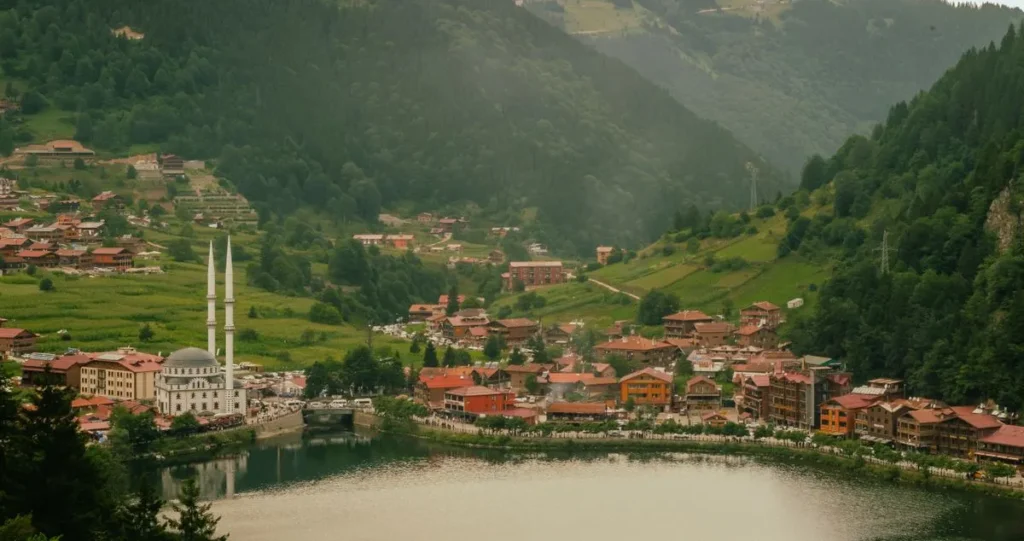
Turkey forms a remarkable bridge between continents, with historic landmarks and natural wonders. From Istanbul’s busy streets to Cappadocia’s surreal fairy chimneys, discovery awaits everywhere.
Travelers can explore ancient ruins, clean Mediterranean beaches, and vibrant regional cuisine. The country suits every explorer, from mountain trekkers to visitors seeking quiet coastal retreats.
Plan your itinerary around geography, seasonal weather, and personal interests. Good planning helps you enjoy the best things to do in turkey. It also creates a smooth mix of cultural experiences and outdoor adventures.
Key Takeaways
- Explore diverse landscapes ranging from historic cities to unique geological formations.
- Sample authentic culinary traditions that vary significantly by region.
- Prioritize your schedule based on seasonal weather and local transportation options.
- Combine coastal relaxation with deep dives into ancient archaeological sites.
- Customize your trip by focusing on specific interests like history, nature, or gastronomy.
Plan Your Trip Around the Best Things to Do in Turkey
Planning a Turkish adventure starts with knowing where to go and when to visit. There are countless things to do in turkey, but timing and regional travel needs shape your experience.
Choose the Right Season for Cities, Coastlines, and Outdoor Adventures
Turkey has a varied climate that changes by region. Spring and autumn are usually best for historic cities and archaeological sites because temperatures stay mild.
The Mediterranean coast is ideal for beach relaxation from June through September. For winter sports or snowy Cappadocia landscapes, colder months create a unique, magical atmosphere.
Understand Turkey’s Regions and Travel Distances
When researching places to visit in turkey, remember that Turkey is vast. Travel between Istanbul, Cappadocia, and the southern coast often requires flights or long bus journeys.
An efficient route saves valuable time. Group nearby attractions to reduce travel hours and enjoy more exploration.
| Region | Best Season | Primary Activity |
|---|---|---|
| Istanbul | Spring/Fall | Sightseeing |
| Cappadocia | Year-round | Ballooning |
| Turquoise Coast | Summer | Beach/Sailing |
| Eastern Mountains | Winter | Skiing |
Know the Difference Between Turkey, Turks and Caicos, and Turkish Terminology
Travelers sometimes confuse Turkey with the Caribbean islands of Turks and Caicos. things to do in turks and caicos involve tropical island activities.
These activities differ from the cultural and historical experiences of Turkey, a Eurasian nation.
Where Istanbul Is Located Between Europe and Asia
Many visitors ask, where is istanbul? This vibrant metropolis spans two continents. The Bosphorus Strait forms the natural boundary between Europe and Asia.
Turkey’s Capital, Ankara, and Why It Differs from Istanbul
Istanbul is the largest city and cultural heart, but it is not the administrative center. The turks capital is Ankara, in the central Anatolian region.
Ankara is the political hub and offers a different view of the nation’s history. Knowing this difference helps travelers navigate the country with greater ease and cultural awareness.
Discover Istanbul’s Historic Landmarks and Neighborhoods
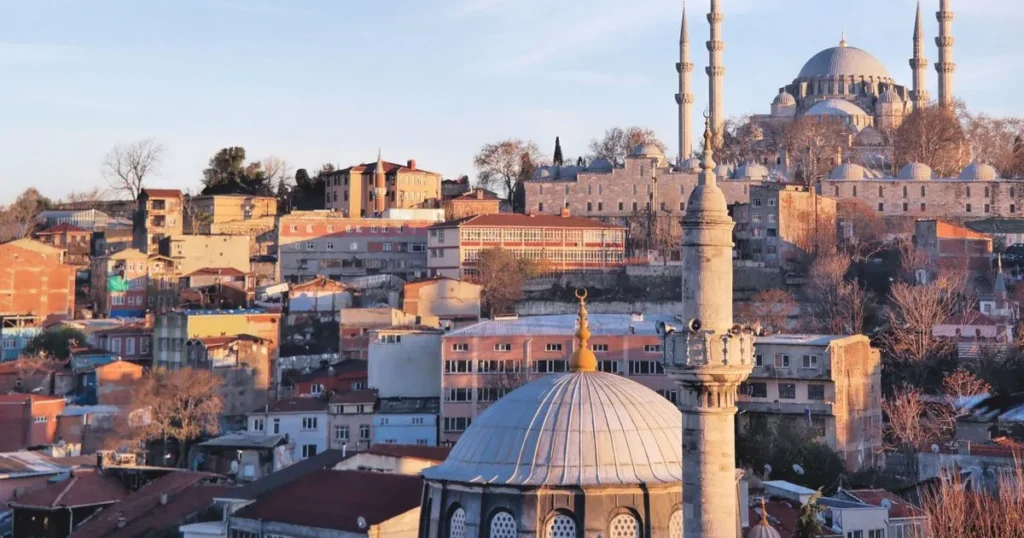
Your journey through the best things to do in Turkey starts in Istanbul, a vibrant, sprawling metropolis. Many travelers ask, where is Istanbul located? This unique city sits at the world’s crossroads, spanning Europe and Asia across the Bosphorus Strait.
Explore Hagia Sophia, the Blue Mosque, and Sultanahmet Square
Sultanahmet is the city’s historic heart. Here, you can stand between the architectural marvels of Hagia Sophia and the Blue Mosque. These landmarks shape the skyline and reveal the region’s religious and cultural history.
Tour Topkapı Palace and Trace the Ottoman Empire’s Legacy
A short walk away, Topkapı Palace shows the lavish lifestyle of Ottoman sultans. Wander through lush courtyards, admire intricate tile work, and view the legendary treasury. It remains one of the most essential things to do in Istanbul for history enthusiasts.
“Istanbul is a magical city where the past and the present dance in perfect harmony, creating an atmosphere that is truly unlike anywhere else on Earth.”
Cruise the Bosphorus for Views of Two Continents
A Bosphorus cruise offers views you cannot get from land. As you glide across the water, you will see wooden mansions, fortresses, and palaces along the shores. This journey shows the city’s strategic importance throughout the ages.
Visit the Grand Bazaar and Spice Bazaar
The city’s historic markets offer sensory experiences that have thrived for centuries. The Grand Bazaar holds gold, carpets, and ceramics, while the Spice Bazaar carries exotic teas and Turkish delights. These markets are perfect for finding authentic souvenirs.
Experience Contemporary Istanbul in Beyoğlu, Karaköy, and Kadıköy
Beyond historic sites, modern life thrives in Beyoğlu and Karaköy. Across the water, the Asian side features Kadıköy’s trendy streets, local cafes, and artistic vibe. These areas show modern Turkey’s creative spirit.
Ride a Ferry Between the European and Asian Sides
Public ferries are the city’s most iconic way to travel between both sides. This affordable commute offers stunning skyline views, especially at sunset. It is a daily ritual for locals and a must-do experience for every visitor.
Sample Turkish Coffee, Baklava, and Street Food
No visit is complete without exploring Istanbul’s local food scene. Try these staples to understand the culture:
- Turkish Coffee: A strong, traditional brew served in small cups.
- Baklava: Layers of flaky pastry filled with pistachios or walnuts.
- Street Food: Look for simit (sesame-crusted bread) or roasted chestnuts from street carts.
Float Above the Fairy Chimneys in Cappadocia
Cappadocia is widely considered one of the most distinctive things to do in turkey. Volcanic activity shaped its surreal landscape, with iconic fairy chimneys and ancient cave homes carved into soft stone.
Take a Sunrise Hot-Air Balloon Ride Over Göreme
Floating in a hot-air balloon at dawn provides a breathtaking view of the jagged valleys below. As the sun rises, changing rock colors create the magical atmosphere that defines the classic Cappadocia experience.
Hike Through Love Valley, Rose Valley, and Pigeon Valley
Balloons offer a bird’s-eye view, but hiking helps you connect with the land. Each valley has special trails among tall stone spires and hidden cave churches in the cliffs.
Explore Göreme Open-Air Museum and Its Rock-Cut Churches
This UNESCO World Heritage site reflects the region’s rich history. Inside ancient churches, remarkably preserved frescoes from the Byzantine era reveal the area’s rich religious heritage.
Go Underground in Derinkuyu or Kaymaklı
Exploring Derinkuyu or Kaymaklı reveals huge cities beneath the ground. Thousands once used these sites for shelter during conflict, showing ancient civilizations’ clever design.
Stay in a Cave Hotel and Visit the Villages of Uçhisar and Avanos
Staying in a cave hotel is a must for travelers visiting this region. The village of Uçhisar has a massive castle with panoramic views, while Avanos is famous for traditional pottery workshops.
Plan Around Weather, Balloon Cancellations, and Valley Transportation
Weather often controls balloon schedules, so book your ride for the first morning. If flights are canceled, a flexible itinerary lets you still enjoy the many other things to do in turkey within the region.
| Activity | Best Time | Intensity | Key Feature |
|---|---|---|---|
| Balloon Ride | Early Morning | Low | Aerial Views |
| Valley Hiking | Morning/Late Afternoon | Moderate | Nature Trails |
| Underground Cities | Anytime | Moderate | Historical Depth |
Walk Through Turkey’s Ancient Ruins and Archaeological Wonders
Walking through Turkey’s archaeological sites connects you with civilizations that shaped the modern world. These places to visit in Turkey reveal empires, trade, and cultural change through stones that still tell stories.
See the Library of Celsus and Grand Theater at Ephesus
Ephesus is one of the Mediterranean’s best-preserved Roman cities. You can admire the intricate facade of the Library of Celsus, which once held thousands of scrolls. Nearby, the massive Grand Theater shows the city’s former glory and architectural ambition.
Visit the Travertine Terraces and Ancient City of Hierapolis in Pamukkale
Pamukkale is known for white travertine terraces formed by mineral-rich thermal waters. Above these natural pools stands the ancient city of Hierapolis. Visitors can swim in the antique pool beside submerged Roman columns, then explore the vast necropolis.
Explore the Temples and Theater of Aphrodisias
Dedicated to the goddess of love, Aphrodisias is a hidden gem for history enthusiasts. The site has a well-preserved stadium and a beautiful theater. Its local museum houses some of the finest marble sculptures from the ancient world.
Climb to the Mountaintop Statues at Mount Nemrut
For a dramatic experience, travel to the summit of Mount Nemrut. Colossal stone heads of ancient gods sit atop a man-made burial mound. Sunrise from this peak is an unforgettable experience that shows the Commagene Kingdom’s grandeur.
Discover Troy and the Archaeological Sites of the Dardanelles
Legendary Troy invites you to walk through history spanning thousands of years. Near the Dardanelles, this site brings Homer’s epic tales to life. It remains one of the most iconic places to visit in Turkey for people interested in mythology.
Tour the Ruins of Pergamon, Patara, and Olympos
Pergamon has a steep, dramatic acropolis with a famous library and theater. Patara, by contrast, combines ancient ruins with expansive sandy beaches. Olympos is equally fascinating, with ruins nestled in a lush forest near the Mediterranean coast.
Hire Licensed Guides for Historical Context and Site Navigation
These expansive archaeological grounds can be challenging to navigate without expert help. Licensed guides provide historical context and turn a simple walk into an educational journey. They help you understand the complex history layered through these important sites.
| Site Name | Primary Feature | Historical Era |
|---|---|---|
| Ephesus | Library of Celsus | Roman/Greek |
| Hierapolis | Travertine Terraces | Roman/Byzantine |
| Mount Nemrut | Colossal Statues | Commagene |
| Troy | Legendary Walls | Bronze Age |
Relax on the Turquoise Coast and Explore Mediterranean Beaches
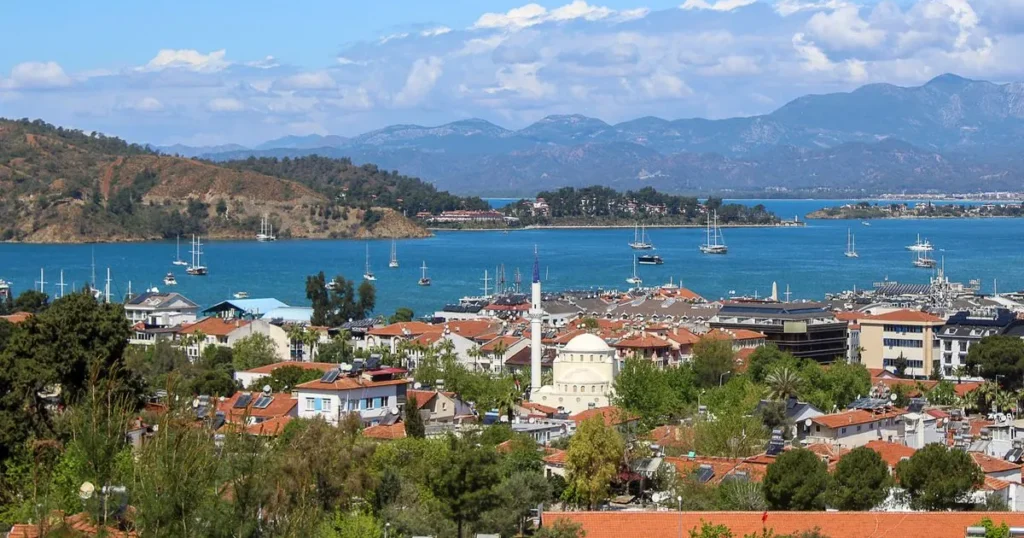
From hidden coves to historic ruins, the Turquoise Coast welcomes every kind of traveler. This Mediterranean stretch combines vibrant culture with peaceful natural beauty. When planning things to do in turkey, place this region high on your list.
Swim, Sail, and Kayak Around Kaş and Kekova
Kaş is a charming town with a relaxed, bohemian feel and crystal-clear waters. You can rent a kayak and paddle over the sunken ruins of Kekova, where ancient history rests beneath the waves. This surreal experience lets you glide silently above submerged staircases and stone walls.
Walk the Lycian Way Near Ölüdeniz, Fethiye, and Faralya
For adventure lovers, the Lycian Way has some of the world’s most scenic hiking trails. Walk sections near Ölüdeniz to see the famous Blue Lagoon from high above. The path winds through pine forests and offers breathtaking views of the Mediterranean Sea.
Visit Antalya’s Old Town, Waterfalls, and Nearby Beaches
Antalya is a gateway to the coast and home to historic Kaleiçi. Walk its narrow cobblestone streets, then visit nearby Düden Waterfalls, which fall into the sea. The city blends modern amenities with ancient Roman gates and Ottoman architecture.
Take a Boat Trip Along the Turquoise Coast
A traditional wooden gulet cruise is a great way to see hidden shoreline gems. These trips let you anchor in secluded bays inaccessible by land. Enjoy fresh meals prepared on board while soaking in the warm Mediterranean sun.
See Patara Beach, Kaputaş Beach, and the Ancient Lycian Shore
Patara Beach is known for its long golden sand and protected sea turtle nesting grounds. Nearby Kaputaş Beach lies in a dramatic canyon, with turquoise water below steep cliffs. Together, these sites show the wild beauty of the ancient Lycian coast.
| Activity | Best Location | Primary Appeal |
|---|---|---|
| Kayaking | Kekova | Sunken Ruins |
| Hiking | Lycian Way | Coastal Views |
| Swimming | Patara | Sandy Shores |
| Sightseeing | Antalya | Historic Architecture |
“Travel is the only thing you buy that makes you richer.”
— Anonymous
Balance Beach Time with Sun Protection and Responsible Coastal Travel
Use high-SPF sunscreen to protect your skin while enjoying the sun. Practice responsible tourism by keeping beaches clean and respecting marine life. Unlike resort-focused things to do in turks and caicos, the Turkish coast connects you with nature and local heritage.
Find Outdoor Adventure in Turkey’s Mountains and Landscapes
From snow-capped peaks to deep river canyons, Turkey offers outdoor fun for adventure lovers. Though many travelers choose coastal resorts, the interior has spectacular places to visit in turkey for active explorers.
Hike and Ski on Mount Erciyes Near Kayseri
Mount Erciyes is a dormant volcano near Kayseri and dominates the skyline. In winter, it becomes a premier skiing and snowboarding destination with well-groomed slopes. In summer, its challenging hiking trails offer panoramic views of the Anatolian plateau.
Explore the Kaçkar Mountains and the Black Sea Highlands
The Kaçkar Mountains provide a lush alpine escape from the Mediterranean heat. Hikers cross high plateaus called yaylas, where traditional wooden houses dot the green landscape. This region suits travelers seeking solitude and rugged mountain scenery.
Raft Through Köprülü Canyon National Park
For water sports fans, Köprülü Canyon National Park is a must-see destination. Turquoise Köprüçay waters cut through dramatic limestone cliffs, creating ideal conditions for white-water rafting. Guided tours welcome all skill levels and provide a safe yet thrilling experience.
Visit Lake Van, Akdamar Island, and Eastern Anatolia
Lake Van is the country’s largest lake and has deep historical importance. Visitors can take a short boat ride to Akdamar Island and admire the 10th-century Armenian Cathedral of the Holy Cross. Eastern Anatolia’s vast, untouched landscapes seem to take visitors back in time.
Spot Wildlife and Learn What a Group of Turkeys Is Called
Nature lovers may wonder about local animals while trekking through remote regions. While watching diverse birdlife, you might ask, what is a group of turkeys called?
“A group of turkeys is commonly referred to as a rafter, a gobble, or a posse,”
Wildlife experts give this information. Keep a respectful distance from wild animals to protect them and yourself.
Prepare for Remote Terrain, Variable Weather, and Local Transport
Exploring these wilder places to visit in turkey requires careful planning. Keep the following tips in mind:
- Check weather forecasts daily, as mountain conditions change rapidly.
- Carry sturdy hiking boots and layers of clothing for fluctuating temperatures.
- Research local transport options, as public buses may not reach the most remote trailheads.
- Consider renting a 4×4 vehicle if you plan to explore off-the-beaten-path highland roads.
Taste Turkish Cuisine and Experience Everyday Culture
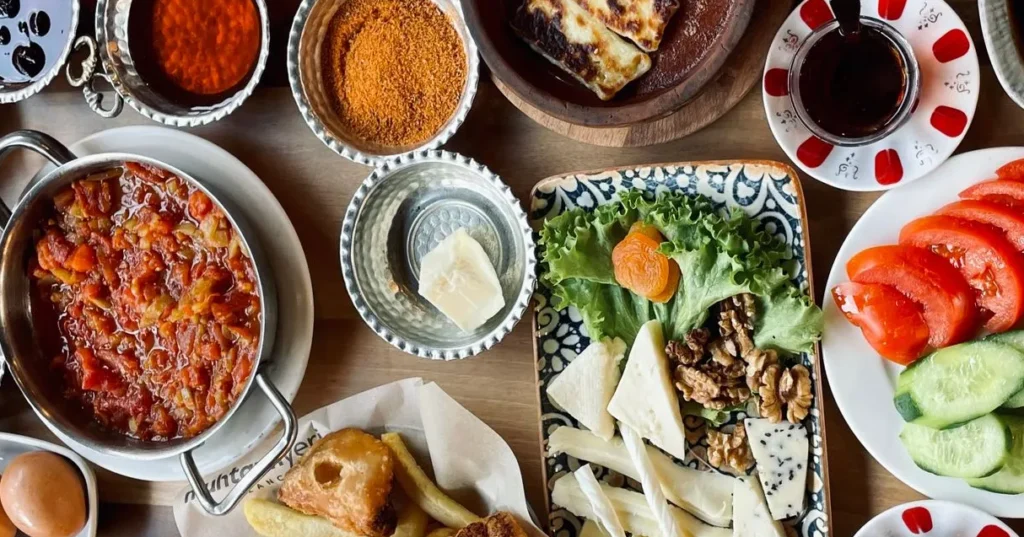
Beyond ancient ruins and landscapes, Turkey’s spirit lives at the dinner table and in bustling local markets. Exploring local food reveals the history and hospitality that shape this nation.
Build a Turkish Breakfast with Menemen, Simit, and Regional Cheese
A traditional Turkish breakfast, or kahvaltı, is a slow, shared meal that can last for hours. Tables hold fresh tomatoes, cucumbers, olives, and regional cheeses like beyaz peynir.
Do not miss menemen, a savory scramble of eggs, peppers, and tomatoes served in a copper pan. Pair it with a simit, a circular bread covered with toasted sesame seeds, for a perfect start.
Try Kebabs, Pide, Lahmacun, and Fresh Meze
Turkish cuisine reaches far beyond breakfast, offering many savory delights. Kebabs come in many forms, from skewered shish to rotating döner.
For a quick bite, try lahmacun, a thin, crispy flatbread topped with spiced minced meat. Pide, often called Turkish pizza, is a doughy boat filled with cheese, spinach, or meats. Start with meze, small plates ranging from creamy eggplant dip to spicy walnut spreads.
Enjoy Seafood in the Aegean and Black Sea Regions
Coastal regions have distinct food traditions shaped by geography. In the Aegean, light dishes use olive oil and feature sea bass and octopus.
In contrast, the Black Sea region is famous for hearty fish dishes, especially hamsi, or anchovies. People often fry or bake these fish in cornmeal, creating dishes that reflect the rugged northern coast.
Learn the Rituals of Turkish Tea and Coffee
Tea, or çay, fuels social life in Turkey. People serve it in small, tulip-shaped glasses throughout the day as a sign of friendship.
Turkish coffee has a thick, unfiltered texture and a rich flavor. People often serve it with a small piece of lokum, or Turkish delight, to balance the strong brew.
Visit a Lokum Shop, Bakery, or Traditional Food Market
Walking through a local food market fills your senses with colors and scents. You can sample artisanal honey, dried fruits, and colorful lokum in shops open for generations.
While exploring the countryside, you might see wild birds. You may wonder what is a group of turkeys called; ornithologists call them a rafter or a flock.
Attend a Whirling Dervish Performance with Cultural Respect
The Sema ceremony of the Mevlevi Order offers a profound spiritual experience. Watch in silence and with respect because it is active meditation, not a tourist show.
Understand Dining Customs, Tipping, and Hospitality
Hospitality is a cornerstone of Turkish culture. When dining out, a tip of 10% is standard, but smaller cafes also appreciate a rounded-up bill.
| Region | Signature Dish | Key Ingredient |
|---|---|---|
| Aegean | Grilled Sea Bass | Olive Oil |
| Black Sea | Hamsi Tava | Cornmeal |
| Central Anatolia | Testi Kebab | Clay Pot |
| Southeast | Baklava | Pistachio |
Shop Historic Bazaars and Find Authentic Turkish Crafts
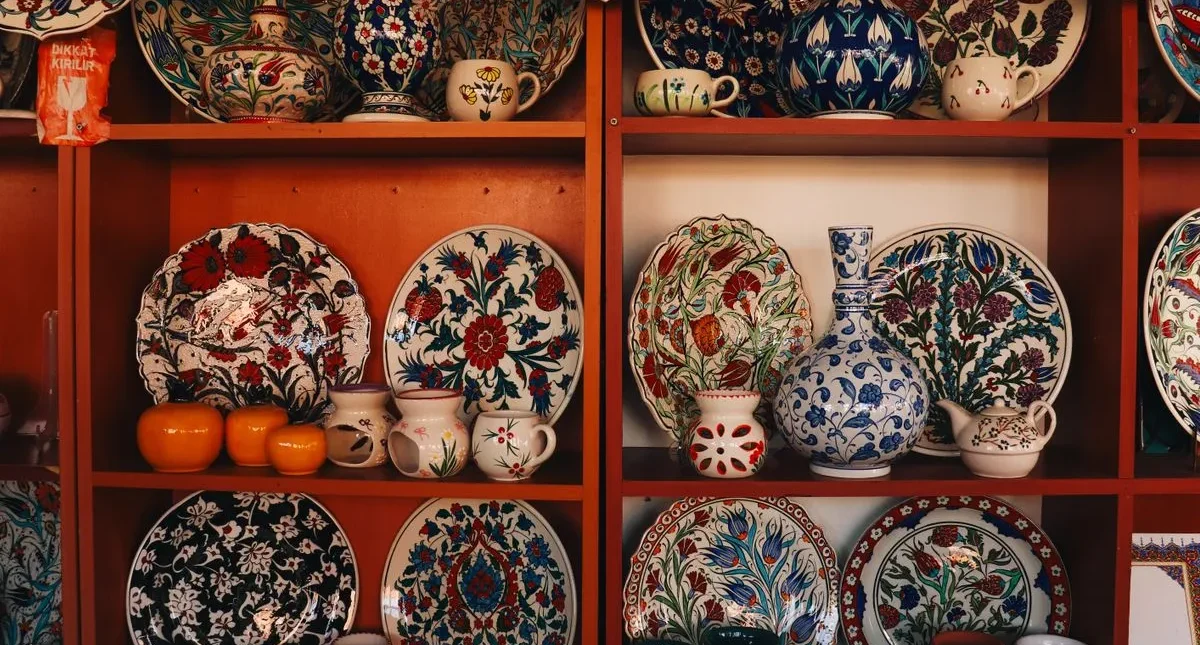
Exploring historic bazaars is among the most rewarding things to do in istanbul for any traveler. These lively hubs offer more than souvenirs and show the city’s vibrant heart. Meeting local artisans helps you value the deep history in each handmade item.
Compare Spices, Textiles, Ceramics, and Jewelry in Istanbul’s Bazaars
The Spice Bazaar offers aromatic saffron, sumac, and dried rosebuds. Nearby, the Grand Bazaar displays intricate textiles and shining gold jewelry. Among the best things to do in istanbul, comparing these goods reveals regional trade routes.
Buy Handwoven Carpets with Provenance and Export Documentation
Buying a Turkish rug is a major investment, so inspect each detail carefully. Choose authentic handwoven pieces with a certificate of origin. Trusted sellers provide export documents, proving your carpet can legally travel abroad.
Discover Iznik Tile Designs and Cappadocian Pottery
Iznik tiles feature vivid cobalt blue and floral designs that once decorated Ottoman palaces. Cappadocian pottery has rustic charm and often uses red clay from Anatolia. Both styles show centuries of artistic evolution and remain popular with collectors today.
Shop for Olive Oil, Dried Fruit, Sweets, and Regional Specialties
Turkey’s food culture is as rich as its craft scene. Find cold-pressed olive oil from the Aegean coast and dried apricots from Malatya. Sample fresh lokum, or Turkish delight, in flavors like pomegranate and pistachio.
Learn How to Bargain Politely Without Losing Cultural Context
Bargaining is common in many local markets. When choosing things to do in istanbul, treat negotiation as a friendly social interaction, not a confrontation. Smile, stay patient, and respect the merchant’s time.
Identify Quality Materials and Avoid Common Tourist Scams
To get good value, learn to tell mass-produced goods from genuine handmade crafts. Look for small imperfections that show human work instead of machine production. Use this guide to navigate your shopping experience:
- Textiles: Check for natural fibers like silk or wool instead of synthetic blends.
- Jewelry: Look for official hallmarks on gold and silver to verify purity.
- Ceramics: Ensure the paint is hand-applied and the glaze is smooth.
- General: Avoid shops that pressure you into quick, high-stakes decisions.
Create an Unforgettable Turkey Itinerary
Plan a balanced schedule to enjoy the best things to do in turkey. Follow a logical route to reduce travel fatigue and spend more time at each destination.
Combine Istanbul, Cappadocia, and the Aegean for a First Visit
First-time visitors can follow a classic route through Istanbul, Cappadocia, and the Aegean. It combines cultural immersion with striking natural beauty.
Choose Between Domestic Flights, Trains, Buses, and Rental Cars
Domestic flights are the fastest way to travel between major hubs. High-speed trains connect Istanbul and Ankara, the Turks capital, for a slower trip. Rental cars offer freedom on the coast and in rural areas, while buses are reliable and affordable for budget travelers.
Match Each Region to a Weekend, One-Week, or Two-Week Trip
Your trip length shapes which places to visit in turkey you can realistically see. Spend a weekend in Istanbul alone, so you do not rush. One week allows a quick Istanbul and Cappadocia loop, while two weeks adds the Aegean coast or Mediterranean beaches.
Budget for Lodging, Attractions, Food, and Guided Experiences
Costs change with your travel style and the season. Budgeting for guided tours is wise at archaeological sites because guides add historical context. Save extra money for local culinary experiences, since dining is central to the culture.
Build in Flexible Time for Weather and Long-Distance Travel
Weather changes can delay hot-air balloon flights or ferry schedules. Always build in a buffer day to keep your plans stress-free. Travel across Turkey often takes longer than expected, so avoid tight arrival and departure schedules.
Use Practical Safety, Dress, Payment, and Connectivity Tips
- Safety: Turkey is generally safe, but stay aware of your surroundings in crowded tourist areas.
- Dress: Dress modestly when visiting mosques, ensuring shoulders and knees are covered.
- Payment: Carry some cash for small markets, though credit cards are widely accepted in cities.
- Connectivity: Purchase a local SIM card or an e-SIM for reliable navigation and translation apps.
Conclusion
Turkey’s vast landscape offers experiences for every traveler. Istanbul’s lively streets and Cappadocia’s quiet, rock-cut churches show its range. This variety of things to do in turkey can make every trip memorable.
Your trip works best when your interests match your available time and budget. Choosing the right season and transportation method helps you travel across the country with ease. Whether you relax on the Turquoise Coast or hike rugged mountain ranges, careful planning matters.
Build a balanced itinerary with iconic sightseeing and authentic local interactions. Respecting cultural heritage strengthens your connection to the land and reveals this diverse nation’s true heart. Choose meaningful experiences over a rushed schedule, then start mapping your adventure around the best things to do in turkey.
FAQ
What are the best things to do in Turkey for a first-time visitor?
A classic first-time itinerary includes Istanbul’s historic Sultanahmet district and Cappadocia’s fairy chimneys. See a sunrise hot-air balloon launch there, then walk Ephesus’s marble streets. The Turquoise Coast offers world-class sailing and beaches in Kaş and Fethiye, balancing history, culture, and nature.
Where is Istanbul located?
Travelers often ask, “Where is Istanbul?” because it is the world’s only major city spanning two continents. Istanbul lies in northwestern Turkey, divided by the Bosphorus Strait between the Black Sea and Sea of Marmara. This position bridges Europe and Asia, shaping its architecture, food, and culture.
What is the Turks capital, and is it worth visiting?
The Turks capital is Ankara, not Istanbul. Istanbul is the cultural and financial hub, while Ankara is the nation’s political heart. It houses Anıtkabir, Mustafa Kemal Atatürk’s grand mausoleum and the Republic’s founding leader. Ankara offers a modern, organized atmosphere and excellent museums, making it a great stop between Istanbul and Cappadocia.
Are the things to do in Turks and Caicos similar to those in Turkey?
No, these destinations differ completely; book the correct documents and flights to avoid a long, unintended detour. Turks and Caicos is a British Overseas Territory in the Caribbean, offering snorkeling at Grace Bay Beach and exploring Providenciales. Turkey is a transcontinental Eurasian country with ancient Silk Road history and a Mediterranean climate.
What are the most essential things to do in Istanbul?
Iconic things to do in Istanbul include touring Hagia Sophia, admiring the Blue Mosque’s tiles, and exploring Grand Bazaar’s winding alleys. For a modern view, take a ferry from Eminönü to Asian-side Kadıköy. After visiting Beyoğlu’s contemporary art galleries, enjoy high-end baklava at Karaköy Güllüoğlu.
What are the top archaeological places to visit in Turkey?
Turkey has major ancient sites, including the Library of Celsus at Ephesus. Must-see sites include Pamukkale’s white travertine terraces beside Hierapolis and Mount Nemrut’s massive stone heads. They also include legendary Troy; Göbekli Tepe near Şanlıurfa is considered the world’s oldest known temple.
When exploring the Turkish countryside, what is a group of turkeys called?
Although the country and bird share an English name, they are unrelated. While hiking in the Kaçkar Mountains or Pontic Alps, you might ask about groups; a group is a rafter or gang. In Turkish, the bird is called “hindi,” reflecting a historical belief that it came from India.
What is the best way to travel between different regions in Turkey?
For long trips, such as Istanbul to the southern coast, domestic flights through Turkish Airlines or Pegasus Airlines work best. Turkey also has an extensive, luxurious bus network, including Kamil Koç and Metro Turizm, plus high-speed trains linking Istanbul, Ankara, and Konya. Along the Lycian Way, renting a car offers flexibility for finding hidden gems like Kaputaş Beach.